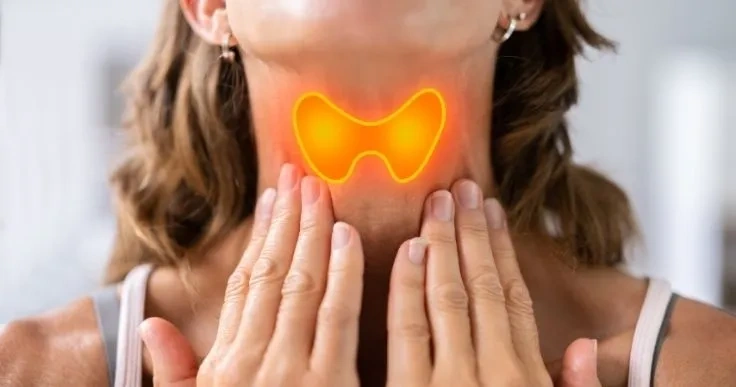
Experiencing unexplained weight changes, constant fatigue, or a noticeable swelling in your neck can be highly unsettling and disruptive to your daily life. At Dr. Deenadayal’s ENT Care Centre in Secunderabad, we provide thorough clinical evaluations and expert medical management for all types of thyroid conditions. Your thyroid is a small, butterfly-shaped gland resting at the base of your neck, and it plays a vital role in heavily regulating your body's energy, metabolism, and overall physical growth.
Ignoring persistent thyroid symptoms can lead to severe cardiovascular strain, prolonged metabolic issues, and significant physical discomfort in your throat. By visiting our trusted ENT specialist clinic in Secunderabad, you ensure your glandular health is accurately measured and professionally managed. Every experienced specialist at our clinic is deeply committed to restoring your vital hormonal balance and safely treating any structural growths, helping you regain your natural energy.
Understanding Thyroid Gland: Causes and Symptoms
Your thyroid gland acts as the main control centre for your body's metabolic speed. Understanding exactly how this delicate gland is malfunctioning is the first essential step toward finding a lasting medical solution.
Underactive Thyroid (Hypothyroidism)
This occurs when the gland fails to produce enough essential hormones, causing your bodily functions to slow down significantly. It is frequently caused by an autoimmune condition known as Hashimoto’s disease.
Overactive Thyroid (Hyperthyroidism)
Conversely, conditions like Graves' disease cause the gland to produce excessive amounts of hormones, forcing your body into a state of high stress and rapid metabolism.
Thyroid Nodules and Goitres
Sometimes, the gland itself physically enlarges (a goitre) or develops small, distinct lumps of tissue called thyroid nodules. While mostly benign, these require careful clinical monitoring.
Recognising the Symptoms
Hormonal imbalances typically cause unexplained weight gain or loss, extreme daily fatigue, mood swings, and temperature sensitivity.
Physical Discomforts
If you develop a goitre or large nodules, you may experience a visible lump in your neck, a persistently hoarse voice, or difficulty swallowing solid food safely.
How We Diagnose Your Thyroid Condition
Accurately identifying the exact nature of your glandular issue allows us to prescribe the safest and most effective medical intervention. During your consultation, we carefully review your energy levels, dietary habits, and any family history of thyroid disease.
- Comprehensive Blood Analysis: We first measure the precise levels of Thyroid Stimulating Hormone (TSH), T3, and T4 in your bloodstream to determine how effectively your gland is currently functioning.
- High-Resolution Ultrasound: To visually examine the physical structure of your neck, we provide advanced ENT care in Secunderabad using modern ultrasound technology. This painlessly maps the exact size and density of any hidden nodules.
- Fine Needle Aspiration (FNAC): If a specific nodule looks suspicious on the ultrasound, we safely perform a highly precise, minor biopsy. This gently extracts a tiny cell sample for laboratory testing to confidently rule out thyroid cancer.

Expert Thyroid Treatment Options in Secunderabad
We carefully build a tailored treatment plan designed to completely stabilise your hormone levels, shrink physical swellings, and protect your long-term metabolic health. We offer comprehensive Thyroid treatment in Secunderabad using modern, evidence-based medical therapies.
- Daily Medical Management: For underactive or overactive glands, we prescribe highly specific daily oral medications. These either safely replace the missing hormones or actively block the gland from overproducing them.
- Radioactive Iodine Therapy: If your gland is severely overactive, this targeted therapy effectively shrinks the excess thyroid tissue over time, safely slowing down your elevated hormone production.
- Targeted Surgical Intervention: When nodules are excessively large, causing severe swallowing difficulties, or identified as cancerous, we perform a thyroidectomy. Our surgeons gently remove part or all of the affected gland while perfectly preserving your surrounding vocal nerves.
Your Recovery Process and Preventive Care
Successfully managing a thyroid condition requires a combination of proper medical compliance and diligent clinical monitoring. By strictly following your care plan, your bodily functions will steadily return to a highly comfortable, normal rhythm.
Essential Healing Steps
- Surgical Healing Steps: If you undergo a thyroidectomy, you will need to rest your voice and avoid heavy lifting for a few weeks to allow the delicate neck incision to heal cleanly.
- Medication Consistency: For most thyroid patients, taking your prescribed daily medication at the exact same time each morning is absolutely vital for maintaining a perfectly stable metabolism and preventing sudden symptom flare-ups.
- Routine Clinical Monitoring: Attending regular blood tests and routine ultrasound check-ups ensures your medication dosage remains perfectly balanced as your body naturally changes over time.
When to Seek Immediate Medical Help
While most thyroid issues develop slowly and are safely managed through routine appointments, certain severe symptoms indicate a dangerous glandular crisis that requires urgent professional attention.
- Rapid Neck Swelling: You must seek immediate clinical help if you notice a sudden, rapid enlargement in your neck that makes drawing breath or swallowing liquids incredibly difficult.
- Severe Heart Palpitations: Please consult a doctor urgently if you experience a dangerously fast, irregular heartbeat, accompanied by a high fever and severe confusion, which may indicate a rare "thyroid storm."
- Sudden Voice Loss: If a growing neck lump suddenly causes complete vocal loss or severe, unexplained pain radiating into your ears, urgent medical evaluation is strictly required.
Cost of Thyroid Treatment in Secunderabad
The final cost of resolving your thyroid condition depends heavily on the root cause and the specific diagnostic tests required. Simple hormonal imbalances managed with basic blood tests and affordable daily tablets keep your overall expenses very low. However, if your physical symptoms necessitate advanced ultrasound biopsies or a highly delicate surgical removal under general anaesthesia, the investment reflects the advanced surgical instruments, expert nerve-monitoring technology, and premium clinical safety protocols required.
| Treatment / Service Type | Estimated Cost Range (INR) |
|---|---|
| Initial ENT / Thyroid Consultation | ₹500 - ₹1,000 |
| Comprehensive Thyroid Blood Panel | ₹1,000 - ₹2,500 |
| High-Resolution Neck Ultrasound | ₹1,500 - ₹3,000 |
| Ultrasound-Guided FNAC (Biopsy) | ₹3,000 - ₹6,000 |
| Thyroidectomy Surgery (Partial / Total) | ₹60,000 - ₹1,20,000+ |
Note: The prices listed strictly in this table are approximate ranges. Please contact our clinic directly to get an accurate cost based on your specific health condition. Reach out to our specialist team to discuss the actual cost for this as per your specific health condition.
Dr. Deenadayal’s ENT Care Centre in Secunderabad
Why Choose Dr. Deenadayal’s ENT Care Centre?
- Specialised Clinical Expertise: We bring decades of highly focused medical experience in accurately diagnosing and safely managing complex neck and glandular disorders.
- Advanced Diagnostic Tools: We rigidly utilise high-definition ultrasound and precise testing equipment to quickly find the exact hidden source of your metabolic symptoms.
- Patient-Focused Treatment: Every hormonal and surgical care plan is uniquely tailored to fit your specific symptom timeline, age, and personal medical history.
- Safe and Hygienic Environment: We strictly enforce premium hospital-grade infection control standards, ensuring a completely sterile and deeply reassuring clinical visit.
- Ethical Treatment Practices: We prioritise honest, transparent communication, carefully explaining your laboratory results and recommending surgery only when absolutely essential.
Reassuring Support and Next Steps
Enduring chronic fatigue, sudden weight changes, and the anxiety of an undiagnosed neck lump can severely drain your daily energy and confidence. At Dr. Deenadayal’s ENT Care Centre, our compassionate medical team is ready to provide the exact diagnosis and rapid, supportive relief you truly deserve. We focus on safely stabilising your health so you can confidently return to enjoying an active, energetic life without physical discomfort.
Do not let persistent thyroid issues put your long-term cardiovascular and metabolic health at risk. Take the first supportive step toward lasting clarity and comfort today... book your consultation with our highly experienced specialists by calling the clinic directly at 9100500111.
Frequently Asked Questions (FAQs)
1. Does having a thyroid nodule mean I have throat cancer?
No, the vast majority of thyroid nodules—up to 95 percent—are entirely benign (non-cancerous) growths caused by simple tissue overgrowth or fluid-filled cysts. We use safe ultrasound and biopsy tests merely to confirm they are harmless and to monitor their size.
2. Will I have to take thyroid medication for the rest of my life?
If your thyroid gland is permanently underactive (Hashimoto's) or if you have the gland surgically removed, you will require a simple daily hormone replacement tablet for life. This safely mimics your natural bodily functions, allowing you to live completely normally.
3. Can a thyroid problem completely change the sound of my voice?
Yes, because your thyroid gland sits directly over your windpipe and right next to your delicate vocal cords. If the gland swells significantly or develops large, hard nodules, it can physically press against your vocal nerves, causing a persistently hoarse or raspy voice.
4. Are there specific foods I should completely avoid for thyroid health?
If you are taking daily thyroid hormone medication, you should avoid consuming large amounts of soy products, walnuts, or excessive calcium supplements at the exact same time as your pill, as these can block the medication from safely absorbing into your bloodstream.
5. How long does it take to feel better after starting thyroid medication?
While you may notice a slight improvement in your daily energy within a week, it typically takes about four to six weeks for the hormone levels in your bloodstream to fully stabilise and for all your metabolic symptoms to completely fade away.