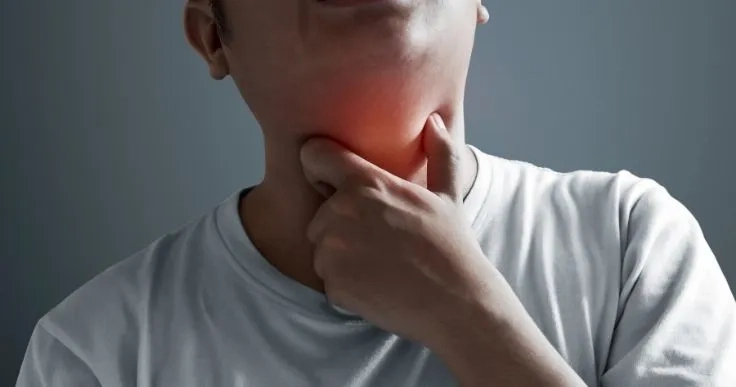
What Causes A Sore Throat?
Experiencing a raw, painful, or scratchy throat can make talking, eating, and drinking incredibly uncomfortable. At Dr. Deenadayal’s ENT Care Centre in Secunderabad, we provide comprehensive clinical evaluations to uncover the exact reasons behind your persistent throat discomfort. A sore throat is a highly common immune response, often signalling that your body is actively fighting off an underlying viral or bacterial infection.
While most minor throat irritations resolve on their own, persistent or severe pain requires professional medical attention to prevent further complications. By visiting our dedicated ENT specialist clinic in Secunderabad, you ensure a precise diagnosis rather than relying on guesswork. Consulting an experienced ENT specialist allows us to identify the true root cause of your discomfort, paving the way for swift and lasting relief.
Understanding Sore Throats: Causes and Symptoms
A sore throat is rarely a condition on its own; it is usually a symptom of a broader respiratory issue or environmental irritation. Understanding what is actively inflaming your delicate throat tissues is the first essential step towards recovery.
Viral and Bacterial Infections
The most frequent cause of throat pain is a viral infection, such as the common cold or influenza. In other cases, a specific bacterial infection known as streptococcus (strep throat) requires prompt antibiotic care to prevent complications.
Environmental and Lifestyle Triggers
Dry indoor air, heavy pollution, and seasonal allergies can constantly irritate the back of your throat. Additionally, lifestyle factors like smoking or excessive shouting easily strain and inflame the vocal and throat muscles.
Silent Acid Reflux
Gastroesophageal reflux disease (GERD) can quietly push stomach acid upwards while you sleep. This highly acidic fluid burns the delicate throat lining, causing a chronic, unexplained sore throat.
Recognising the Symptoms
The hallmark sign is a sharp, scratchy, or burning sensation that significantly worsens when you try to swallow solid food or liquids.
Secondary Discomforts
You may also develop swollen, tender lymph nodes in your neck, noticeably red or swollen tonsils, and a muffled or hoarse voice.
How We Accurately Diagnose Your Throat Condition
Determining the exact cause of your pain allows us to prescribe the safest and most effective medical intervention. During your consultation, we will carefully review your symptom timeline, fever history, and daily environment.
- Thorough Clinical Examination: We begin by carefully examining the back of your throat, checking for intense redness, swelling, or white patches that strongly indicate a bacterial presence.
- Rapid Diagnostic Swabs: To quickly rule out strep throat, we gently swab the back of your tonsils. This highly accurate test ensures we only prescribe antibiotics when they are genuinely necessary.
- Painless Endoscopic Checks: For chronic throat pain that does not respond to standard treatments, we provide advanced ENT care in Secunderabad using a thin, flexible endoscope. This gentle camera helps us easily spot hidden issues like acid reflux damage or structural abnormalities.

Expert Sore Throats Treatment in Secunderabad
We carefully build a tailored treatment plan designed to eliminate the underlying infection, deeply soothe your irritated tissues, and prevent future flare-ups. We offer comprehensive Sore Throats treatment in Secunderabad using evidence-based medical therapies.
- Managing Viral Infections: Since antibiotics do not cure viruses, we focus on highly effective symptom management. We prescribe specific pain relievers and anti-inflammatory medications to drastically reduce your internal swelling and discomfort.
- Targeted Bacterial Care: If your diagnostic swab confirms strep throat or another bacterial infection, a precise, full course of prescription antibiotics will quickly eliminate the harmful bacteria and prevent secondary complications.
- Treating Underlying Triggers: If chronic allergies or silent acid reflux are causing your pain, we provide daily antihistamines or antacid medications to safely block the source of the ongoing irritation.
Your Recovery Process and Preventive Care
Recovering from a severe sore throat requires a mix of proper medical compliance and highly soothing home care habits. By following your clinical plan, your swallowing will become completely painless within just a few days.
Essential Soothing Regimens
- Soothing Hydration: Drinking plenty of warm liquids, such as herbal teas or warm water with honey, deeply soothes raw tissues and keeps the throat perfectly lubricated.
- Resting Your Voice: Actively resting your voice and avoiding whispering—which places heavy strain on the throat muscles—allows the delicate internal tissues to heal much faster.
- Preventive Hygiene: To actively prevent future infections, always replace your toothbrush after recovering from an illness. Maintaining excellent hand hygiene and using a bedroom humidifier during dry months will further protect your airway.
When to Seek Immediate Medical Help
While a mild, scratchy throat from a cold is usually easily managed, certain severe symptoms indicate a dangerous swelling that requires urgent professional attention.
- Breathing and Swallowing Difficulty: You must seek immediate clinical help if your throat pain is accompanied by sudden difficulty drawing breath or a total inability to swallow saliva safely.
- Severe Symptoms: Please consult a doctor urgently if your sore throat lasts longer than a week, or if you develop a very high fever, a stiff neck, or an unexplained rash.
- Visible Swelling: If you notice extreme, visible swelling on one side of your neck or a large lump in the back of your throat, urgent medical evaluation is strictly required.
Cost of Sore Throats Treatment in Secunderabad
The final cost of resolving your sore throat depends heavily on the root cause and the specific diagnostic tests required. A simple viral throat infection requiring a basic consultation and affordable pain relief keeps your overall expenses very low. However, if your chronic pain necessitates advanced endoscopic evaluations to check for acid reflux damage, or specific laboratory cultures to identify resistant bacteria, the investment reflects the premium diagnostic tools used.
| Treatment / Service Type | Estimated Cost Range (INR) |
|---|---|
| Initial ENT Specialist Consultation | ₹500 - ₹1,000 |
| Rapid Strep / Throat Swab Test | ₹500 - ₹1,500 |
| Diagnostic Throat Endoscopy | ₹1,500 - ₹3,000 |
| Medical Therapy (Prescription Medications) | ₹300 - ₹1,500 |
Note: The prices listed strictly in this table are approximate ranges. Please contact our clinic directly to get an accurate cost based on your specific health condition. Reach out to our specialist team to discuss the actual cost for this as per your health condition.
Dr. Deenadayal’s ENT Care Centre in Secunderabad
Why Choose Dr. Deenadayal’s ENT Care Centre?
- Specialised Clinical Expertise: We bring decades of highly focused medical experience in accurately diagnosing and resolving all types of upper respiratory and throat infections.
- Advanced Diagnostic Tools: We utilise modern testing and gentle endoscopic equipment to quickly find the exact hidden source of your throat pain.
- Patient-Focused Treatment: Every care plan is uniquely tailored to fit your specific symptom timeline, age, and personal medical history.
- Safe and Hygienic Environment: We strictly enforce premium hospital-grade infection control standards, ensuring a completely sterile and reassuring clinical visit.
- Ethical Treatment Practices: We prioritise honest communication, carefully explaining your test results and never prescribing unnecessary antibiotics for viral colds.
- Growing Trust: We are proudly recognised by thousands of patients as a leading and dependable destination for swift ENT relief in the Secunderabad community.
Reassuring Support and Next Steps
Enduring the constant, sharp pain of a sore throat can drain your daily energy, ruin your appetite, and disrupt your restful sleep. At Dr. Deenadayal’s ENT Care Centre, our compassionate medical team is ready to provide the exact diagnosis and rapid relief you truly deserve. We focus on gently healing your throat so you can confidently return to your normal routine without any physical discomfort.
p>Do not let persistent throat pain hold you back any longer. Take the first supportive step toward lasting clarity and comfort today... book your consultation with our specialists by calling the clinic directly at 9100500111.Frequently Asked Questions (FAQs)
1. Is it safe to drink cold water when I have a sore throat?
Yes, drinking cold water or eating ice lollies is perfectly safe and can actively numb the inflamed throat tissues, providing highly effective temporary pain relief. However, some people find warm, soothing liquids more comforting, so choose the temperature that feels best for you.
2. Why does my sore throat only seem to hurt in the morning?
A sore throat that peaks in the morning and fades during the day is typically caused by sleeping with your mouth open, which aggressively dries out the tissues. It can also be a clear sign of silent nighttime acid reflux irritating your vocal cords while you lie flat.
3. Are over-the-counter numbing sprays effective for healing?
Over-the-counter numbing sprays and lozenges provide excellent, temporary pain relief by masking the sharp sensation. However, they do not actively kill the underlying bacteria or virus causing the infection, meaning they only treat the symptoms rather than the root cause.
4. How can I tell if my sore throat is actually strep throat?
Strep throat usually comes on very suddenly with intense pain, swollen lymph nodes, and a high fever, but completely lacks normal cold symptoms like a runny nose or a cough. A rapid swab test by an ENT specialist is the only way to accurately confirm it.
5. Can sharing drinks spread the bacteria that cause a sore throat?
Absolutely. The viruses and bacteria responsible for sore throats are highly contagious. They are easily transferred through shared cups, utensils, or close physical contact, making strict personal hygiene essential when you or a family member is unwell.