
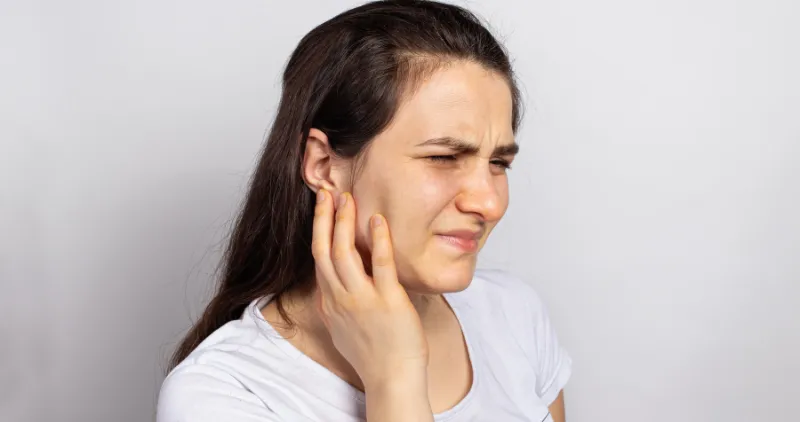
You’ve checked for fever. No discharge, no swelling, nothing your family doctor would call an “infection.” And yet, the pain in one ear won’t let up. If this sounds familiar, you’re not imagining it.
One-sided ear pain without infection is one of the most common reasons patients visit an ENT specialist, and there’s almost always a clear, treatable explanation.
At Dr. Deenadayal’s ENT Care Centre, we see this exact concern walk through our doors every week, and getting ear pain treatment in Secunderabad usually starts with one simple truth: the ear is often just the messenger, not the source.
Key takeaways:
- One-sided ear pain often comes from nearby structures, not the ear itself
- Jaw, teeth, throat, and neck muscles can all “refer” pain to the ear
- Most causes are manageable once correctly identified
- A proper ENT exam can rule out both minor and rare serious causes
- Simple daily habits can reduce how often this pain returns
What Does It Mean When Ear Paint Isn’t Coming From an Infection?
When your ear hurts but there’s no infection, doctors call this “referred pain” or secondary otalgia. Your ear shares nerve pathways with your jaw, throat, teeth, and even your neck. So pain generated somewhere else can travel along these shared nerves and feel exactly like it’s coming from inside your ear.
This is confusing for patients, and honestly, a little unsettling.
If what you’re noticing is more of a crackling or popping sensation than outright pain, Crackling Sound in Ear When Swallowing walks through how to tell whether that’s coming from the same Eustachian tube or TMJ mechanisms covered here.
You expect ear pain to mean an ear problem. When an exam shows a normal eardrum, it can feel like your pain is being dismissed. It isn’t — it just means we need to look one step further, at the structures around the ear rather than inside it.
What Actually Causes One-Sided Ear Pain Without Infection?
The four most common non-infection causes are TMJ dysfunction, dental problems, throat irritation, and Eustachian tube congestion, and one-sided pain almost always points to one of these being active on that specific side.
TMJ (jaw joint) dysfunction
The temporomandibular joint sits just in front of your ear. Clenching, grinding your teeth at night, or jaw misalignment irritates this joint and the pain radiates straight into the ear canal. It often gets worse when you chew.
This is one of the most common non-infection causes we see, and Can Jaw Clenching or TMJ Cause Ear Pain? goes much deeper into exactly how this connection works and how to tell it apart from a genuine ear infection.
Dental issues
A cracked tooth, an abscess, or an impacted wisdom tooth on one side can send pain up the same nerve branch that supplies the ear. This pain is frequently sharper with hot or cold food.
Throat and tonsil irritation
Tonsillitis, pharyngitis, or acid reflux affecting one side of the throat can trigger matching ear pain, especially noticeable when swallowing.
Eustachian tube congestion
Allergies, a cold, or sinus inflammation can block the tube that equalizes pressure in your ear, creating a dull, one-sided fullness and ache without any actual infection present.
This same mechanism is also why some people feel ear pain specifically during air travel, if that’s a recurring pattern for you, How to avoid ear pain during flight? covers the pressure-related version of this in more detail.
A gap most articles skip: neck muscle tension and stress-related clenching are an underrated, very common cause. If you’ve been under pressure at work or sleeping poorly, tight muscles in your jaw and upper neck can mimic ear pain almost identically to TMJ.
When Does This Kind of Pain Start, and How Serious Can It Get?
Most cases of referred ear pain are not dangerous, but a small number need urgent evaluation, and knowing the difference matters.
Pain that comes and goes with chewing, stress, or specific head positions is usually benign. Pain that is constant, worsening, accompanied by facial numbness, hearing loss, dizziness, or one-sided facial weakness needs same-day medical attention.
If ringing or buzzing is part of what you’re noticing alongside the pain, Sudden Tinnitus in One Ear: Causes and When to Seek Help covers that specific combination and the same urgency threshold from the hearing side.
These can (rarely) point to nerve-related conditions such as trigeminal or glossopharyngeal neuralgia, which most general articles don’t mention at all but which an ENT can identify quickly.
A quick guide for yourself: if the pain has lasted more than a week, is getting worse rather than better, or is paired with any hearing change, don’t wait it out; book an evaluation.
How Does an ENT Actually Diagnose Referred Ear Pain?
Diagnosis is usually quick, painless, and done in a single visit. Here’s what actually happens, since most patients arrive not knowing what to expect.
We start with a detailed otoscopy, a close look inside the ear canal and eardrum to rule out any hidden infection or fluid. If the eardrum looks completely normal, we move to checking the jaw joint, dental area, and throat on the same side as your pain.
A tympanometry test can measure how your eardrum responds to pressure, confirming or ruling out Eustachian tube involvement. In select cases, a quick nasal endoscopy helps check for silent sinus congestion feeding into the problem.
This structured process is what separates a proper diagnosis from guesswork, and it’s usually completed within one appointment.
For an independent clinical reference specifically on the TMJ side of this picture, the NIH’s overview of temporomandibular disorders covers the three recognized categories of TMD and how they’re distinguished.
What Are the Treatment and Relief Options?
Treatment is directed at the actual source, not the ear itself, and most patients feel meaningful relief within one to two weeks.
For TMJ-related pain, a night guard, gentle jaw exercises, and short-term anti-inflammatory medication usually help significantly. Dental causes are referred appropriately once identified.
For Eustachian tube congestion, decongestants, saline nasal rinses, and steam inhalation restore normal pressure balance. Throat-related referred pain settles once the underlying pharyngitis or reflux is treated directly.
Ready to get an actual answer instead of guessing? You can book a consultation with Dr. Deenadayal at Dr. Deenadayal’s ENT Care Centre through dsdentcare.com and get a proper diagnosis instead of repeated home remedies that only mask the problem.
visit dsdentcare.com to schedule your appointment today.
What Does Recovery and Day-to-Day Management Look Like?
Recovery timelines vary by cause; jaw and congestion-related pain typically improve within one to three weeks with consistent care.
TMJ-related discomfort responds well to short daily jaw-relaxation routines and avoiding hard or chewy foods during flare-ups.
Congestion-linked pain clears once the underlying cold or allergy resolves, usually within two weeks. The key is consistency; stopping treatment the moment pain eases often invites it back.
How Does Unexplained Ear Pain Affect Daily Life and Peace of Mind?
Living with pain that doctors initially can’t “see” is genuinely stressful, and that stress deserves acknowledgment, not dismissal.
Patients often describe frustration at being told “nothing’s wrong” when something clearly feels wrong.
This uncertainty can affect sleep, concentration, and even relationships if it drags on. The relief patients describe after finally getting a clear answer, even a simple one like TMJ strain, is often as much emotional as physical. A correct diagnosis isn’t just clinical closure; it’s peace of mind.
How Can You Prevent It From Coming Back?
Most recurrence is preventable once you know your personal trigger. If jaw clenching is your pattern, a night guard and stress management make a real difference.
If congestion is the trigger, treating allergies early in the season prevents the buildup that leads to ear pressure. Regular dental checkups catch problems before they refer pain elsewhere.
And if stress-related neck tension is your pattern, simple posture correction and short stretching breaks during the day noticeably reduce flare-ups.
Final Thoughts
One-sided ear pain without infection is common, usually explainable, and almost always treatable once the real source is identified.
The discomfort you’re feeling is real, even when the eardrum looks normal, as it simply means the answer lies just outside the ear, in the jaw, teeth, throat, or neck.
With the right evaluation, most patients get clear answers and lasting relief within a matter of weeks.
Frequently Asked Questions
Can stress really cause ear pain?
Yes. Stress often leads to unconscious jaw clenching and neck muscle tightness, both of which can refer pain directly into the ear.
Why does my jaw hurt near my ear when I chew?
This is a classic sign of TMJ joint irritation, where the joint just in front of the ear becomes inflamed from overuse or clenching.
Should I be worried if only one ear hurts and not both?
Not automatically — most referred pain is one-sided because the triggering issue (a tooth, a jaw joint, a swollen tonsil) is also one-sided.
Can a sinus problem cause ear pain without a full sinus infection?
Yes, even mild sinus congestion can block the Eustachian tube on one side and create pressure-related ear pain.
Is it normal for ear pain to come and go throughout the day?
Yes, this pattern is typical of TMJ and muscle-related causes, which flare with jaw movement or stress and ease with rest.
Can wisdom teeth cause ear pain on just one side?
Yes, an impacted or infected wisdom tooth commonly refers pain to the ear on the same side through shared facial nerves.
Does acid reflux really cause ear pain?
It can. Reflux can irritate the throat lining, and that irritation travels along shared nerve pathways into the ear.
How long should I wait before seeing a doctor for one-sided ear pain?
If it persists beyond a week, worsens, or comes with hearing changes or dizziness, don’t wait — get it evaluated.
Can anxiety alone cause ear pain with no other symptoms?
Anxiety-driven jaw clenching or neck tension can produce isolated ear pain even without any other physical complaint.
Will an ENT be able to tell me the exact cause in one visit?
In most cases, yes. A combination of otoscopy, tympanometry, and a jaw/throat check identifies the source in a single appointment.
Medical Disclaimer
Content regarding one-sided ear pain, non-infectious otalgia, and referred pain from TMJ or throat conditions is for educational purposes only and not a substitute for clinical medical advice. Always consult a qualified ENT specialist to accurately diagnose and manage persistent ear discomfort.
Dr. Deenadayal's ENT Care Centre, Secunderabad. Our content team prepares and review by specialist Team.
DECC Clinical Content Team
CALL US FOR ANY HELP
GET IN TOUCH ON