
Why Do I Have So Much Earwax?
If you’ve been worried about producing too much earwax, rest assured you’re not alone. Many people share this concern, and it’s often not as serious as it seems. Earwax is not just a harmless presence; it plays a crucial role in protecting and maintaining the health of your ears.
At Dr. Deenadayals ENT Care Centre, we have extensive experience helping patients manage earwax concerns safely and effectively. With the care provided by some of the best ENT specialists in Hyderabad, you can address earwax issues and enjoy better ear health.
What Is Earwax and Why Is It Important?
Earwax, medically referred to as cerumen, is a natural substance produced by glands in the outer part of your ear canal. Far from being a nuisance, it’s your ear’s built-in defence system. Here’s what it does:
-
- Protects against foreign invaders: Earwax traps dirt, bacteria, and small particles, preventing them from reaching your eardrum and causing harm.
- Moisturizes the ear canal: It stops the sensitive skin inside your ear from becoming dry, cracked, or irritated.
- Aids in self-cleaning: Earwax naturally shifts outward, especially as you chew or move your jaw, effectively carrying debris out of the ear.
Understanding earwax as a protective mechanism—not a problem in itself—is the first step to feeling more at ease.
What Qualifies as “Too Much” Earwax?
The amount of earwax varies greatly between individuals. While some people naturally produce more wax, issues only arise when it builds up to a point where it causes symptoms such as:
-
- Hearing that feels muffled or partially lost
- A sensation of fullness or pressure in the ear
- Ringing or buzzing sounds (tinnitus)
- Discomfort or itchiness in the ear canal
- Noticeable yellowish wax or discharge
If these symptoms sound familiar, consider consulting a specialist. A top ENT specialist in Hyderabad can identify and resolve the root of the problem, helping you avoid any further complications.
Common Causes of Excessive Earwax
Excessive earwax doesn’t happen without reason. Several factors can influence production levels and lead to noticeable buildup.
Natural Causes
-
- Genetics play a significant role; some people are simply predisposed to having more earwax.
- If your ear canal is narrow, curved, or slightly hairy, wax may be more likely to accumulate instead of moving out naturally.
- Ageing can trigger changes in wax-producing glands, sometimes making them more active than before.
Behavioral Habits
-
- Overuse of earbuds, hearing aids, or in-ear headphones can block the natural movement of wax.
- Using cotton swabs or other objects to clean wax often pushes it deeper, worsening buildup.
- Extended use of earplugs or hearing protection can also contribute to repeat blockages.
Skin or Medical Conditions
-
- Conditions like eczema, psoriasis, or dermatitis in the ear can irritate glands and lead to more wax.
- Repeated ear infections or damage to the glands may also result in excessive or impacted earwax.
These causes make it clear that earwax issues can arise from a variety of factors, many of which are out of your control. However, understanding the cause can guide you toward effective management.
Is Excess Earwax Dangerous?
For most people, earwax is harmless. It only becomes a concern when it leads to impaction, blocking the ear canal and causing:
-
- Hearing difficulties
- Earaches or signs of infection
- Dizziness or a loss of balance (vertigo)
- Tinnitus (ringing or buzzing in the ears)
- Discomfort when wearing hearing aids
Regular monitoring by an experienced ENT, such as the specialists at Dr. Deenadayals ENT Care Centre, helps prevent these complications. With expert care, your ears can maintain their natural balance and stay trouble-free.
How Do ENT Specialists Check for Earwax Problems?
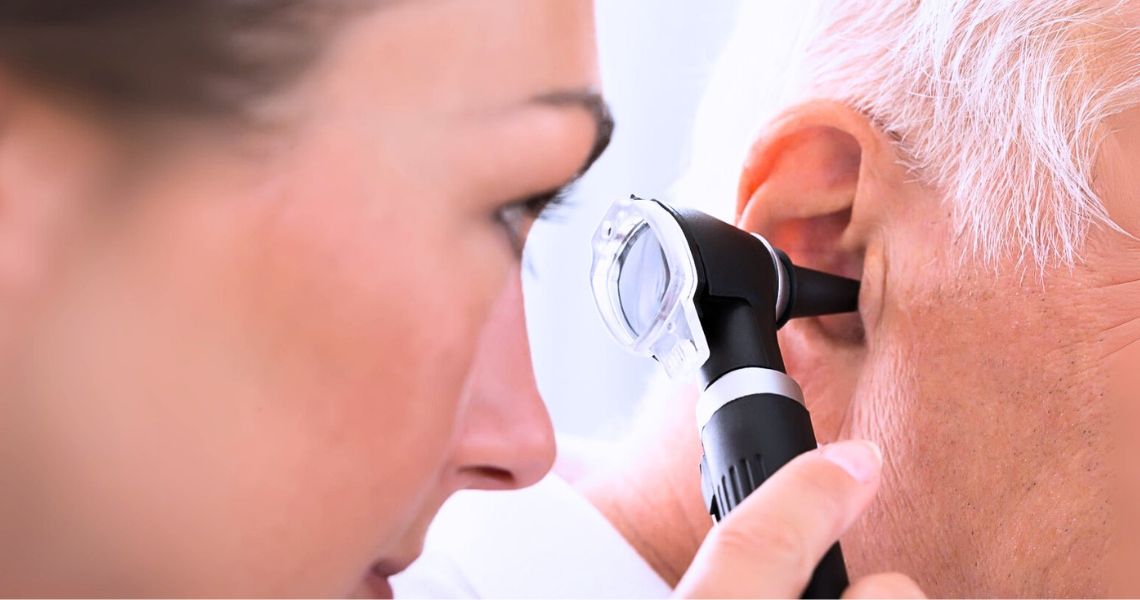
Diagnosing significant earwax buildup is straightforward. At Dr. Deenadayals ENT Care Centre, I often use an Otoscope or Endoscope, a small device that provides a clear view into the ear canal. This allows us to evaluate the extent of the blockage and plan the best course of action.
Additionally, we’ll discuss your symptoms, medical history, and ear care habits. If hearing loss is suspected, a hearing test may be conducted. The entire process is safe, comfortable, and tailored to your specific needs.
Treatment Options for Earwax Buildup
If earwax has become a problem, don’t worry. Effective treatments are available to provide relief safely.
However, avoid inserting cotton swabs, hairpins, or any foreign objects into your ear, as these can push wax further in or cause damage.
Professional Care
Visiting a trained ENT specialist is the safest choice, especially for stubborn buildup or complications. Common professional methods include:
-
- Microsuction: A precise, gentle procedure that uses suction to remove wax without harming ear structures.
- Manual Removal: Specialised tools, like curettes or forceps, are used to carefully extract the wax.
- Controlled Irrigation: Warm water flushing under a doctor’s supervision can effectively clear severe blockages.
Professional care ensures the removal process is thorough and risk-free, even for more sensitive patients.
How to Prevent Excess Earwax Buildup?
You may not be able to control how much earwax you produce, but small changes can reduce the chance of troublesome buildup:
-
- Keep objects out of your ears. Clean only the outer ear with a soft, damp cloth.
- Use doctor-recommended ear drops if you’re prone to frequent issues.
- For hearing aid users or those with recurring problems, schedule regular checkups to catch buildup early.
Preventative care is essential, especially if you’ve previously struggled with chronic earwax problems.
When to See an ENT Specialist?
If you’ve been experiencing consistent symptoms like hearing changes, pain, or discharge, it’s crucial to seek medical advice. Those with a history of ear surgery, perforated eardrums, or recurring infections should always consult a professional rather than turn to at-home remedies.
At Dr. Deenadayals ENT Care Centre, we’re committed to patient education and prevention. Our specialists don’t just treat symptoms; we help you understand the root causes and long-term care strategies for healthier ears.
FAQs
- Can I use cotton buds to clean my ears?
Avoid using cotton buds for ear cleaning, as they can push wax deeper and damage delicate ear structures. Instead, let the ear clean itself naturally or consult a healthcare professional for safe cleaning.
- How often should I have my ears checked by a professional?
For those without major ear issues, routine check-ups every year or two are usually enough. But if you have persistent pain, hearing loss, or frequent infections, schedule an appointment right away.
- What should I do if I suspect an ear infection?
If you suspect an ear infection, avoid using over-the-counter ear drops without advice. Visit an ENT specialist for proper evaluation and treatment to prevent complications.
Conclusion
Though excessive earwax can feel frustrating, it’s rarely harmful. With the right care and expert guidance, you can easily manage this condition. Whether you’re seeking relief or simply want reassurance, our top ENT specialists in Hyderabad are here to help.
At Dr. Deenadayals ENT Care Centre, we believe in compassionate, patient-focused care designed to meet your unique needs. Don’t wait for symptoms to worsen; book an appointment today to take the first step toward clearer hearing and healthier ears!
Dr. Deenadayal's ENT Care Centre, Secunderabad. Our content team prepares and review by specialist Team.
DECC Clinical Content Team
CALL US FOR ANY HELP
GET IN TOUCH ON