
Is Nasal Polyps Dangerous?
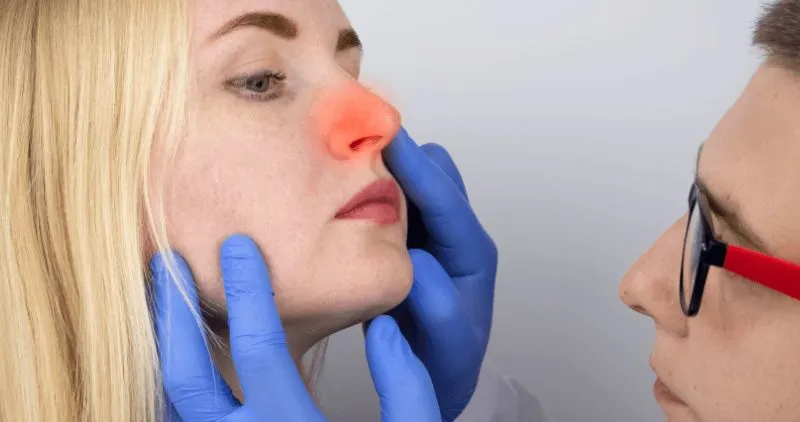
As an ENT specialist, often recognized as one of the best ENT in Hyderabad, I frequently meet patients worried about nasal polyps. One common question I hear is, “Doctor, are nasal polyps dangerous?” I want to assure you right from the start: nasal polyps themselves are not dangerous or cancerous.
They are benign, which means they don’t spread like tumors or turn into cancer. But, they can cause some problems that affect your daily life, so it’s important to understand what’s going on and how to handle them.
What Exactly Are Nasal Polyps?
Imagine the inside of your nose and sinuses lined with soft tissue that helps warm and humidify the air you breathe.
When this lining becomes irritated or inflamed for a long time—due to allergies, asthma, or repeated infections—small growths called nasal polyps can develop.
These are like tiny grapes or teardrops hanging inside your nose. I had a patient who came to me complaining about a blocked nose for months, along with a loss of smell.
When I examined him with a endoscope, I could see several pale, soft polyps blocking his nasal passages. This blockage made it hard for him to breathe through his nose, especially at night.
Why Do Nasal Polyps Form?
Nasal polyps are a result of chronic inflammation. Think of inflammation as your body’s way of fighting off irritants or infections. Sometimes, this response goes into overdrive, causing swelling and the growth of polyps.
People with asthma or allergies are more prone to nasal polyps. Another patient I saw had a long history of seasonal allergies and developed nasal polyps over time because his nasal lining was constantly irritated.
Are Nasal Polyps Dangerous?
To answer your question clearly: No, nasal polyps themselves are not dangerous. They won’t turn into cancer. But here’s what can happen if they grow large or remain untreated.
When polyps block your nasal passages or sinuses, it can cause several problems. You might notice a stuffy or blocked nose that doesn’t get better, even with over-the-counter treatments.
This blockage can also lead to recurrent sinus infections, because mucus that normally drains out of your sinuses gets trapped. It can also affect your sense of smell in the long run.
I had a patient who experienced frequent sinus infections—every few months. After examining her, I found large polyps blocking the drainage pathways. Once the polyps were treated, her infections decreased significantly.
If you’re seeking the ENT Care Centre in Hyderabad to evaluate symptoms like these, early diagnosis can make all the difference.
The Impact on Your Quality of Life
Nasal blockage from polyps can affect your sleep. Some patients complain of loud snoring or even pauses in breathing during sleep—a condition called obstructive sleep apnea.
This happens because nasal obstruction forces you to breathe through your mouth and disrupts normal airflow. Loss of smell and taste is another common symptom. It might not seem serious at first, but it can affect how you enjoy food and detect dangers like smoke or gas leaks.
One gentleman told me he thought he was losing his appetite, but it was really because he couldn’t smell or taste properly due to his nasal polyps.
When Should You Be Concerned?
If you’ve had nasal congestion for more than 10 days, or if you keep getting sinus infections, it’s time to see a specialist. Also, watch for nosebleeds, facial pain, or swelling around your eyes or nose. These signs mean you need a thorough evaluation.
One patient came to me worried because his sense of smell suddenly disappeared. Upon examination, I discovered large polyps causing significant blockage. We started treatment immediately to prevent further complications.
How Do We Diagnose Nasal Polyps?
Diagnosis is straightforward. I usually start by asking about your symptoms and medical history, including allergies or asthma. Then, I use a a nasal endoscope to look inside your nose and check for polyps.
Sometimes, a CT scan is necessary to see the full extent of the polyps and how they affect your sinuses. This imaging helps me plan the best treatment approach.
How Do We Treat Nasal Polyps?
The first step is usually medication. Nasal corticosteroid sprays are the most common treatment. They reduce inflammation and help shrink the polyps over time. I always remind my patients to use these sprays consistently for several weeks to see results.
In some cases, short courses of oral steroids may be needed to quickly reduce swelling. However, because of side effects, these are used carefully and for limited periods.
If medications don’t work, surgery might be necessary. Functional Endoscopic Sinus Surgery (FESS) is a minimally invasive procedure where we remove polyps and open blocked sinuses to improve airflow and drainage. After surgery, continued medical management and follow up long term is crucial because polyps can recur.
What Can You Do at Home?
You can support your treatment by:
- Using saline nasal sprays or rinses to keep your nasal passages moist and clear.
- Avoiding triggers like smoke, pollution, and allergens.
- Managing allergies and asthma properly with your doctor’s help.
Practicing good hygiene to avoid infections.
If you have undergone surgery, many patients also ask: How to Sleep After Nasal Polyp Surgery? Proper sleeping posture—usually keeping your head elevated—can significantly reduce swelling, improve drainage, and promote a smoother recovery.
What Can You Expect Long-Term?
With proper care, most people find significant relief from their symptoms. Nasal polyps may come back, but regular follow-up helps catch and treat them early, keeping you comfortable and healthy.
FAQs – Related ENT Concerns
- Can nasal polyps affect children?
Yes, although less common, children with asthma or cystic fibrosis may develop nasal polyps and should be evaluated by a specialist. - How are nasal polyps different from nasal tumors?
Nasal polyps are benign and noncancerous, whereas nasal tumors can be malignant and require a different treatment approach. - Can food allergies cause nasal polyps?
Food allergies are less commonly linked to nasal polyps compared to airborne allergens like pollen or dust mites. - Are nasal polyps hereditary?
There is no direct inheritance pattern, but some people may be more prone to conditions causing nasal polyps due to family history. - Can nasal polyps cause headaches?
Yes, pressure and inflammation in the sinuses caused by polyps can sometimes lead to headaches or facial pain.
Final Advice
If you have persistent nasal symptoms—blocked nose, loss of smell, or recurrent sinus infections—don’t ignore them. Nasal polyps aren’t dangerous by themselves, but they can cause serious discomfort and complications if untreated.
To get the best care, I recommend consulting the best ENT specialist in Hyderabad who can offer expert diagnosis and a personalized treatment plan.
Reach out to an ENT specialist today to schedule your consultation. Early treatment can improve your breathing, restore your sense of smell, and prevent further problems.

Dr. Deendayals ENT Care Centre
CALL US FOR ANY HELP
GET IN TOUCH ON