
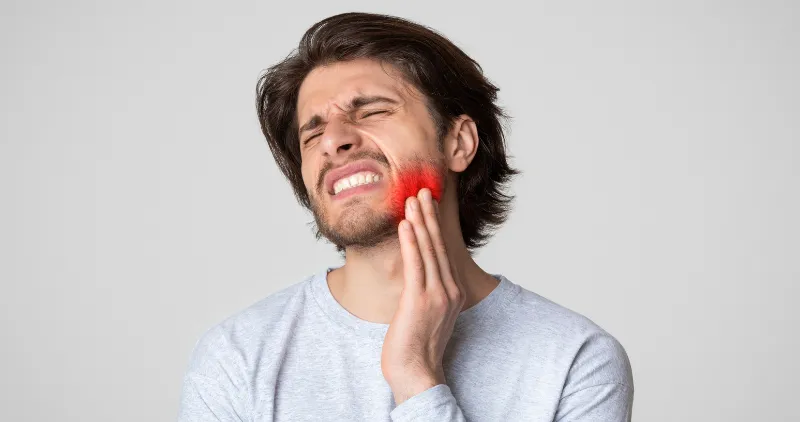
You’ve had a dull ache in your ear for days. No cold, no infection, nothing your usual home remedies fix, but you’ve also noticed your back teeth feel a little tender. Could these two things actually be connected?
Yes, they can wisdom teeth are one of the most overlooked causes of one-sided ear pain, and understanding this connection can save you weeks of confusion.
If you’re searching for wisdom teeth ear pain treatment in Secunderabad, this is exactly the kind of case we evaluate regularly at Dr. Deenadayal’s ENT Care Centre, where we look at the ear and the jaw together, not in isolation.
Key takeaways:
- Wisdom teeth can genuinely cause ear pain through shared nerve pathways
- The connection is called referred pain, and it’s well documented, not a myth
- A simple self-check can help you tell dental pain from actual ear disease
- Treatment doesn’t always mean extraction, as it depends on the cause
- Getting the right specialist involved early avoids weeks of guesswork
Can a Wisdom Tooth Really Cause Ear Pain?
Yes, this is a well-recognized clinical pattern, not an old wives’ tale. Your wisdom teeth, jaw joint, and ear are all served by the same nerve, the trigeminal nerve.
The NIH’s StatPearls overview of otalgia confirms this directly, noting that the trigeminal nerve’s branch to the jaw joint is why dental and TMJ problems are a well-documented cause of referred ear pain.
When a wisdom tooth is impacted (stuck under the gum or growing at an angle) or infected, the inflammation signal travels along this shared nerve.
Your brain, which isn’t always great at pinpointing exactly where a signal started, can register that inflammation as pain in the ear instead of the jaw.
This is medically called referred pain, where the source and the sensation are in two different places. It’s the same principle behind heart problems causing arm pain. Your ear feels the trouble even though nothing is actually wrong with it.
What’s Actually Happening Inside Your Jaw When This Occurs?
Three separate mechanisms usually drive this, and they’re worth knowing apart because they affect treatment.
Impaction and pressure
When a wisdom tooth can’t fully erupt, it pushes sideways against the neighboring tooth and the jawbone. This constant pressure irritates surrounding nerve tissue and radiates discomfort upward toward the ear.
Pericoronitis:
This is inflammation of the gum flap that sits over a partially erupted wisdom tooth. Food and bacteria get trapped underneath it, causing swelling and infection. This is a very common but under-discussed trigger, and it often comes with a bad taste in the mouth or difficulty opening the jaw fully.
TMJ strain:
The jaw joint sits directly in front of the ear. An impacted wisdom tooth changes how you bite and chew, straining this joint over time and creating a dull ache that feels like it’s coming from inside the ear canal itself.
If TMJ strain turns out to be the dominant factor in your case rather than the tooth itself, our dedicated guide on jaw clenching and TMJ-related ear pain covers that mechanism and its treatment in full.
In some cases this strain also produces ringing alongside the pain — our tinnitus treatment page covers how that specific symptom is evaluated.
When Does This Start, and How Bad Can It Get If Ignored?
Symptoms typically appear when wisdom teeth begin erupting, usually between ages 17 and 25, but the pain pattern can show up at any age if the tooth stays impacted for years.
Left unaddressed, an infected or impacted wisdom tooth doesn’t just cause ongoing ear discomfort; it can lead to a spreading dental infection, damage to the neighboring molar, or a persistent TMJ problem that outlasts the original dental issue.
This isn’t meant to alarm you. Most cases don’t escalate this far, especially when addressed within a reasonable window.
But “it’ll probably go away on its own” is the wrong assumption to run with for weeks on end.
How Do You Tell If It’s Really Your Wisdom Tooth and Not Your Ear?
A few clear signs point toward a dental cause rather than a true ear problem, which is the self-check most articles skip entirely.
If your ear pain is one-sided and paired with jaw soreness, difficulty fully opening your mouth, tenderness at the very back of the gum line, or pain that worsens specifically when chewing, the wisdom tooth is the likely source.
If, on the other hand, you have ear discharge, hearing loss, ringing that doesn’t fluctuate with jaw movement, or dizziness, those point toward the ear itself, and you should prioritize an ENT evaluation first rather than assuming it’s dental.
Our broader guide on ear pain when swallowing covers the fuller range of non-dental causes if your self-check points that direction instead.
How Is This Diagnosed Properly?
A confident diagnosis needs both a dental exam and an ear exam, as relying on just one specialist can miss the real cause.
A dentist or oral surgeon will typically take an X-ray to check the position and condition of the wisdom tooth.
On the ENT side, a quick otoscopy confirms the eardrum and ear canal are completely normal, ruling out a coincidental ear problem happening at the same time.
When both checks are done together, you get a clear answer in one visit instead of bouncing between two clinics guessing at the cause.
What Are the Treatment Options — And Do You Always Need Extraction?
No, extraction isn’t always necessary, which is a point most competitor articles gloss over to push toward surgery too quickly.
If the tooth is only mildly impacted and pericoronitis is the main issue, a course of antibiotics, warm saline rinses, and improved oral hygiene around the area can resolve the flare-up without removing the tooth.
If the tooth is significantly impacted, repeatedly infected, or damaging the neighboring molar, extraction becomes the more sensible long-term solution, since the referred ear pain will keep recurring as long as the tooth stays in that position.
Ready to get a clear answer instead of switching between painkillers every few days? You can book a consultation with Dr. Deenadayal at Dr. Deenadayal’s ENT Care Centre through dsdentcare.com and get both the dental and ear side of this properly assessed together.
What Does Recovery Actually Look Like After Treatment?
Recovery timing depends entirely on which treatment path you take, and setting realistic expectations matters here.
If treated with antibiotics and rinses alone, ear pain usually eases within five to seven days as the local inflammation settles.
If extraction is needed, some residual ear discomfort in the first two to three days after surgery is normal; this is temporary swelling near the nerve pathway, not a sign something went wrong. Most patients are fully clear of both the dental and ear symptoms within two weeks.
How Does This Affect Daily Life While You Wait It Out?
Persistent, unexplained ear pain wears people down faster than the pain itself suggests it should. Chewing becomes something to avoid rather than enjoy. Sleep gets disrupted by a dull ache you can’t quite locate.
And the uncertainty of whether it’s your tooth, your ear, or something else adds a layer of stress on top of the physical discomfort.
Once the actual cause is identified, most patients describe real relief simply from finally understanding what’s happening, even before treatment fully kicks in.
Can You Prevent This From Happening Again?
Yes, largely through early monitoring rather than waiting for symptoms to force the issue.
Routine dental checkups that track wisdom tooth position before problems start give you the option to address impaction early, on your own timeline, rather than during a painful flare-up.
Good oral hygiene around partially erupted teeth reduces the risk of pericoronitis. And if TMJ strain is part of your pattern, addressing your bite alignment prevents the ear-jaw discomfort cycle from repeating even after the tooth itself is treated.
Final Thoughts
Wisdom teeth causing ear pain is a real, well-understood clinical pattern, not something to dismiss or panic about.
The shared nerve pathway between your jaw and ear explains why pain can show up somewhere it didn’t start.
With the right combination of dental and ENT evaluation, most patients get a clear cause and meaningful relief within one to two weeks.
Frequently Asked Questions
Does wisdom tooth ear pain go away on its own without treatment?
Sometimes mild irritation settles briefly, but if an impacted or infected tooth is the true cause, the pain typically returns and worsens rather than resolving permanently on its own.
Can wisdom teeth cause ringing in the ear (tinnitus)?
Yes, in some cases TMJ strain from an impacted wisdom tooth can cause a mild ringing sensation, though this usually resolves once the underlying jaw issue is treated.
Is it normal to feel ear pain on both sides if only one wisdom tooth is impacted?
No, this pattern usually stays one-sided, matching the side of the affected tooth. Bilateral ear pain suggests you should also rule out a separate ear-related cause.
How long can an impacted wisdom tooth go untreated before it becomes a real problem?
There’s no fixed timeline, but repeated flare-ups over several months significantly raise the risk of infection spreading or damaging the neighboring tooth.
Will removing my wisdom tooth guarantee my ear pain stops completely?
In most cases yes, since the source is eliminated, but if TMJ strain has been present for a long time, some jaw-related therapy may still be needed alongside extraction.
Can a wisdom tooth infection spread to the ear itself?
It’s rare, but a severe, untreated dental infection can spread toward nearby structures, which is exactly why persistent symptoms shouldn’t be left unchecked for too long.
Is it better to see a dentist or an ENT first for this kind of pain?
Start with whichever symptom is more prominent: if jaw and gum pain lead, see a dentist first; if ear-specific symptoms like hearing changes or discharge are present, see an ENT first.
Can stress or teeth grinding make wisdom tooth–related ear pain worse?
Yes, grinding adds extra pressure on an already strained jaw joint, which can intensify the referred ear discomfort significantly.
Do children or teenagers get this kind of ear pain from wisdom teeth?
It’s uncommon before the late teens, since wisdom teeth typically don’t begin erupting until around age 17.
Can I take regular painkillers while waiting for my appointment?
Yes, over-the-counter pain relief is generally safe short-term, but it only masks the discomfort and doesn’t address the impacted tooth causing it, so don’t let it delay getting evaluated.
Medical Disclaimer
Content regarding referred ear pain, wisdom tooth impaction, pericoronitis, and TMJ strain is for educational purposes only and not a substitute for clinical medical or dental advice. Always consult a qualified ENT specialist or dental surgeon for an accurate diagnosis and treatment plan.

DECC Clinical Content Team
CALL US FOR ANY HELP
GET IN TOUCH ON