
Can Nasal Polyps Be Removed Without Surgery?
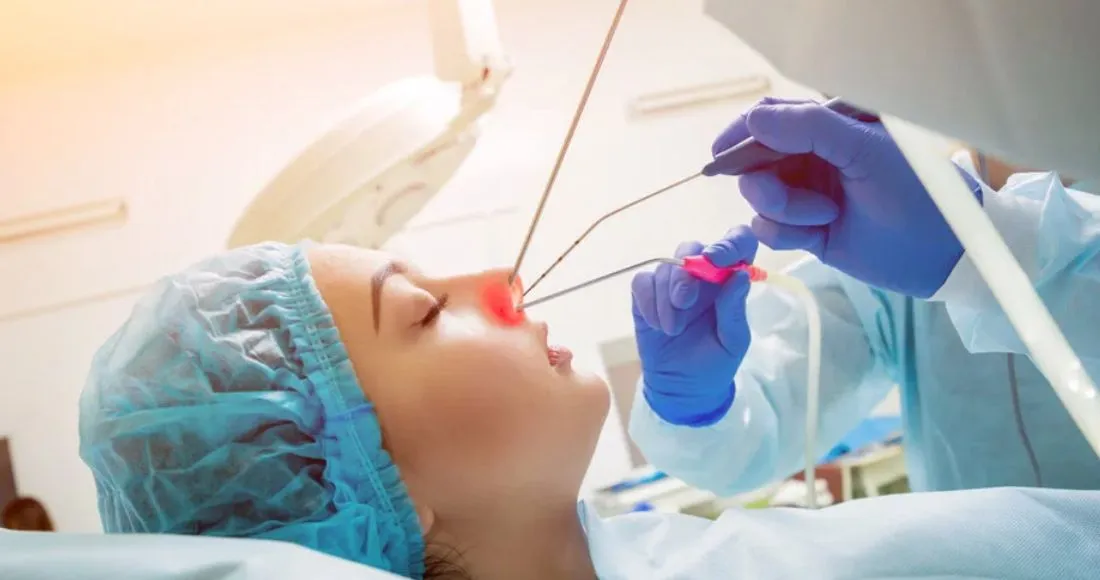
As an ENT specialist, I often see the worry on people’s faces when they hear the words “nasal polyps.” The most common question they ask me — sometimes even before I’ve finished explaining the diagnosis — is this:
“Doctor, do I really need surgery for this?”
And honestly? It depends on the duration, severity and response to medical treatment.
Let me walk you through how I approach this in my clinic, using real situations I’ve encountered. My goal is to help you understand what nasal polyps really are, and what options we have to treat them — without jumping into surgery right away. If you’re searching for the ENT specialist in Secunderabad who listens, explains, and guides with care, you’re in the right place.
Let’s Start With What Nasal Polyps Actually Are?
Nasal polyps are soft, painless, non-cancerous growths that develop inside the lining of your nose or sinuses. You can imagine them as tiny, swollen balloon-like structures, usually shaped like grapes, that hang inside your nasal passages.
They are most often caused by chronic inflammation — something I commonly see in people with asthma, allergies, frequent sinus infections, or even sensitivity to aspirin.
Over time, this long-standing inflammation causes the tissue in your nasal lining to swell and form polyps.
While polyps themselves aren’t dangerous or cancerous, they can seriously affect your quality of life.
I’ve seen patients come in complaining they haven’t smelled food in months, or that they can’t breathe freely even while resting. One gentleman told me he hadn’t had a restful night of sleep in a year because of constant nasal blockage and post-nasal drip.
So, Can You Treat Nasal Polyps Without Surgery?
Here’s the good news I always share:
Yes, many nasal polyps can be reduced or controlled with medications and lifestyle changes — without surgery.
Of course, this depends on how large the polyps are, how long they’ve been present, and how well your body responds to medication. But in most cases, we try to manage them medically first.
Even those who initially visit hoping for the Best ENT Hospital in Secunderabad often walk out relieved that surgery isn’t the only answer.
Step 1: Controlling the Inflammation – The Root Cause
I always emphasize that the polyp is not the real problem — the real issue is the inflammation that causes it. We usually begin with a nasal steroid spray, which helps shrink the polyp by reducing inflammation.
These sprays don’t work overnight, but with consistent use over weeks, many of my patients start breathing easier. I recall a woman who was hesitant to use sprays. Three weeks later, she said, “I can smell my morning coffee again!” That’s how effective these sprays can be.
Step 2: Short-Term Boost With Oral Steroids
Sometimes, especially when polyps are large or symptoms are severe, I prescribe a short course of oral steroids.
This gives quick relief by reducing swelling, but we use them cautiously due to potential side effects like weight gain or mood changes.
We typically limit use to just a few days to avoid complications.
Step 3: Cleaning the Nose – A Simple but Powerful Habit
Saline nasal rinsing is one of the best things you can do for your nose. Think of it as washing out allergens, dust, and mucus. It clears the path for sprays to work better and reduces irritation.
I teach my patients to use a Neti pot or saline squeeze bottle correctly — and most feel significantly clearer and more comfortable after adding this to their routine.
Step 4: Addressing Other Triggers (Like Allergies or Asthma)
Inflammation isn’t always from inside the nose. I often find that uncontrolled allergies or asthma contribute to polyp growth.
If you’re sneezing often, feeling congested seasonally, or have breathing issues, we address those too — with antihistamines, inhalers, or allergy care. Getting those conditions under control often reduces polyp formation indirectly.
Step 5: Advanced Options – Biologics Like Dupixent
For those whose polyps come back or don’t improve with standard medications, we have biologic therapy — a newer, targeted treatment. Dupilumab (Dupixent®) is an injectable medicine that blocks the immune response causing inflammation.
I had a patient who’d had two surgeries already. With this treatment, his symptoms improved without needing a third surgery. These are prescribed selectively, but they’re a powerful option in difficult cases.
When Surgery Becomes Necessary?
In some cases, despite all efforts, the polyps remain large or block the nose entirely. That’s when I recommend endoscopic sinus surgery — a minimally invasive way to remove the polyps and improve breathing.
But even after surgery, continued care is critical. Surgery gives us a fresh start, but long-term follow up helps prevent polyps from coming back.
So, What’s the Bottom Line?
Most nasal polyps can be treated without surgery, especially if detected early and managed consistently.
As your ENT doctor, my job is not only to treat, but to guide you through a long-term, personalized plan that works best for your lifestyle and health.
Whether it’s sprays, rinses, allergy care, or advanced therapy — we tailor your treatment to help you breathe easier again.
If you’re looking for the Top ENT specialist in Secunderabad who offers clear, compassionate care with or without surgery, I’d be happy to help.
FAQs – Related ENT Concerns
- How can I tell the difference between nasal polyps and a common cold?
Nasal polyps don’t go away on their own. If symptoms persist beyond 10 days, especially loss of smell, see an ENT. - Can diet or lifestyle changes help prevent nasal polyps?
While not a cure, avoiding allergens, managing asthma, and quitting smoking can lower your risk. - Are nasal polyps common in children?
They’re rare in kids. If they do occur, especially with other symptoms, conditions like cystic fibrosis should be ruled out. - How often should I follow up after nasal polyp treatment?
Every 3–6 months initially, then yearly once stable. Regular checks help us catch recurrence early. - Will nasal polyps always come back after surgery?
Not always, but there’s a chance. Continued medical care after surgery can reduce recurrence significantly.
Ready to Breathe Freely Again — Without Surgery?
If you’re dealing with constant nasal blockage, poor sense of smell, or recurring sinus issues, you may not need surgery — but you do need the right treatment.
Book an appointment with me today, and let’s find the best way to treat your nasal polyps — naturally, safely, and with care.
Let’s work together to help you breathe, sleep, and live better — without the fear of surgery.

DECC Clinical Content Team
CALL US FOR ANY HELP
GET IN TOUCH ON