
How to Sleep After Nasal Polyp Surgery?
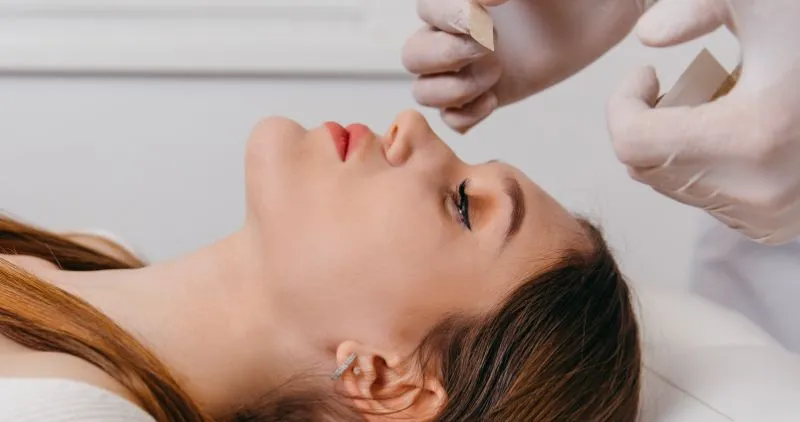
Having nasal polyp surgery can feel overwhelming, especially when it comes to simple things like sleeping. I’ve seen many patients ask me, “Doctor, how should I sleep after the surgery?
What if I can’t breathe well at night?” These concerns are completely normal, and I want to share what I tell my patients based on real experiences and medical knowledge.
If you are searching for the ENT in Hyderabad for expert advice and care, it’s important to understand these recovery steps well.
So, how should you sleep after nasal polyp surgery? The most important thing is to keep your head elevated and lie on your back. This position reduces swelling and helps your nose heal properly. Let me explain why and how in detail so you can rest comfortably and safely.
Understanding What Happens Inside Your Nose After Surgery
When we remove nasal polyps — which are soft, non-cancerous growths inside your nose — the inside lining of your nasal passages becomes raw and sensitive. Think of it like a small wound inside your nose that needs time to heal. Sometimes, I place gentle packing or splints inside the nose to prevent bleeding and support the healing tissues.
Right after surgery, it’s common to feel stuffy or have a little bleeding. Your nose might also feel tender or dry. Because your nose is healing, even simple actions like lying down or breathing can affect how well you recover.
For anyone looking for the best ENT doctor in Hyderabad, understanding these details can make a big difference in post-surgery comfort and healing.
Why Sleeping Position Matters?
Let me tell you about a patient I had last year. After her surgery, she tried to sleep flat like she usually did, but she woke up with a stuffy nose, swelling, and discomfort.
I explained to her that lying flat causes fluid to pool in the nasal tissues, which makes swelling worse. I advised her to elevate her head with pillows, and within days, her breathing improved, and the swelling went down.
Sleeping with your head elevated — about 30 to 45 degrees — helps gravity keep fluid away from your nose. This reduces swelling and lowers the risk of bleeding. You don’t need fancy equipment — two or three firm pillows or a wedge pillow will work well.
Sleeping on your back with your head elevated is safest because it prevents pressure on your nose. Avoid sleeping on your stomach or sides, especially during the first week after surgery, as this can press on the healing tissues and slow recovery.
How to Get Comfortable While Sleeping?
If you’re like many of my patients, you may worry about neck strain or sliding down from pillows. Here’s what I usually recommend:
- Use a wedge pillow or stack firm pillows so your upper body stays gently elevated.
- Place a small rolled towel under your neck for support.
- If you have a recliner chair, it can be very comfortable because it keeps you naturally elevated.
- Make sure your pillows stay in place so you don’t lose the elevation during the night.
What About Breathing at Night?
Right after surgery, your nose will likely feel blocked. Breathing through your mouth might feel strange or cause dryness, but it’s perfectly okay. To avoid discomfort, I suggest using a cool-mist humidifier in your room. This moist air helps prevent dryness and soothes your throat.
Avoid blowing your nose hard or sniffing forcefully because these actions can disturb the delicate tissues healing inside your nose. If I have prescribed saline sprays or rinses, use them gently as instructed. They keep your nasal passages moist and clean.
Managing Discomfort Before Sleep
Pain and discomfort can make sleep difficult, so taking pain medications before bedtime can help. I usually tell my patients to take their prescribed painkillers or anti-inflammatory medicines about 30 to 60 minutes before going to bed. This timing helps reduce pain and swelling and improves sleep quality.
Also, if you’re using nasal sprays or rinses, do so before sleeping to keep your nose comfortable. Follow your doctor’s instructions carefully about any antibiotics or steroids, as these medications prevent infection and reduce inflammation, speeding your healing.
What Should You Avoid?
One common mistake I see is patients bending over or lifting heavy things before going to bed. This increases pressure inside the nose and can cause bleeding. Try to avoid these activities at least during the first week.
Also, smoking and alcohol slow down healing and increase bleeding risks — so it’s best to avoid them entirely during recovery.
Keep your sleeping environment clean and free from allergens like dust or strong smells, which might irritate your nose.
How Long Will You Need to Sleep Elevated?
In my experience, most patients need to sleep with their head elevated for about 5 to 7 days after surgery. During your follow-up visit, I will check your nose and advise when it’s safe to return to your usual sleeping positions. Every person heals at their own pace, so be patient and listen to your body.
When to Call Your Doctor?
If you notice heavy bleeding that doesn’t stop with gentle pressure, develop a fever, or experience increasing pain or swelling, it’s important to contact your doctor immediately.
These signs may indicate infection or other complications needing prompt attention.
Sleep Tips
Good sleep hygiene supports your healing. Try to keep a regular bedtime, avoid screen time an hour before sleep, and if you breathe through your mouth at night, drink warm (not hot) fluids to soothe your throat. Relaxation methods like soft music can also help you fall asleep faster.
A Special Note
I understand surgery can be stressful, and it’s normal to worry about your recovery. But with simple changes like elevating your head and sleeping on your back, you give your nose the best chance to heal quickly and comfortably. I’ve seen many patients regain normal breathing and comfort by following these steps.
If you’re looking for a Top ENT specialist in Hyderabad to guide you through recovery or have questions about nasal health, don’t hesitate to reach out.
Ready to Breathe Easier?
If you’re recovering from nasal polyp surgery, don’t hesitate to reach out for personalized care. Schedule your follow-up appointment today so we can monitor your healing and help you get back to your best self faster. Remember, healing is a journey — and I’m here to guide you every step of the way.
FAQs – Related ENT Concerns
- Can nasal polyps come back after surgery?
Yes, nasal polyps can recur, especially if underlying allergies or inflammation are not controlled. Follow-up care and managing allergies are important to reduce the risk. - How soon can I return to normal activities after nasal polyp surgery?
Most patients can resume light activities within a week, but strenuous exercise or heavy lifting should be avoided for at least 2-3 weeks to prevent bleeding. - Is nasal polyp surgery painful?
The surgery is usually done under general or local anesthesia, so you won’t feel pain during the procedure. Some mild discomfort or pressure is normal during recovery, but pain medications help manage it. - Can allergies cause nasal polyps?
Yes, allergies and chronic sinus inflammation are common causes of nasal polyps. Managing allergies effectively can help prevent their formation. - What other treatments are available for nasal polyps besides surgery?
In some cases, medications like nasal corticosteroids, oral steroids, or biologics may reduce polyp size and symptoms. Surgery is recommended when medications are insufficient.

Dr. Deendayals ENT Care Centre
CALL US FOR ANY HELP
GET IN TOUCH ON