
How to avoid ear pain during flight?
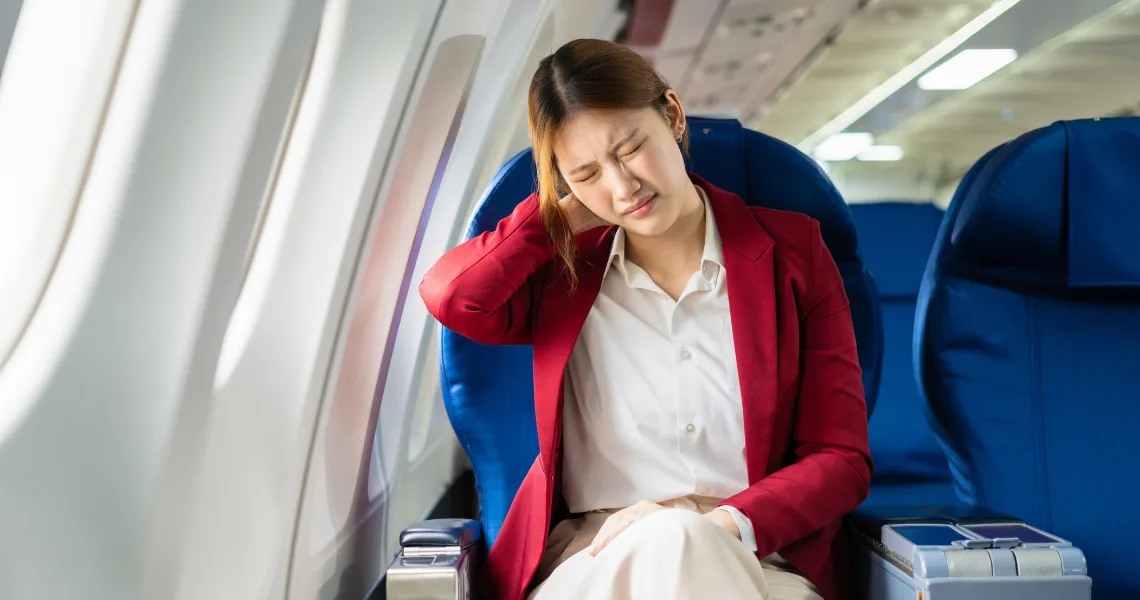
Flying can be an exciting experience, but for many, it comes with an unwelcome side effect—airplane ear. If you’ve ever felt discomfort or pain in your ears during takeoff or landing, you’re not alone.
This common condition, also known as ear barotrauma, happens when the air pressure in your middle ear doesn’t match the cabin pressure. The good news? With the right preparation, your travel experience can be smooth and pain-free.
At Dr. Deenadayal’s ENT Care Centre, one of the best ENT hospitals in Hyderabad, we often see patients seeking relief from airplane ear. Let’s dive into what causes it, how to prevent it, and when to seek medical advice.
What Is Airplane Ear?
Airplane ear, or ear barotrauma, occurs when there’s a pressure imbalance between the air in your middle ear and the cabin environment.
This typically happens during rapid altitude changes, like takeoff and landing. The Eustachian tube—a small passage connecting your middle ear to the back of your nose and throat—normally equalizes pressure.
However, if it doesn’t open quickly enough, the eardrum stretches, causing discomfort or pain.
Why Does Airplane Ear Happen?
To understand airplane ear, let’s take a quick look at the anatomy of your ear. The middle ear is separated from the outer ear by the eardrum. The Eustachian tube plays a crucial role in maintaining equal pressure on both sides of the eardrum. When you’re flying, rapid changes in cabin pressure can overwhelm this system.
If you have a cold or a sinus infection, the Eustachian tube may not function properly, making it harder to equalize pressure. Chronic conditions, such as Eustachian tube dysfunction (ETD), can also increase your risk of airplane ear.
Recognizing the Symptoms
Airplane ear symptoms can range from mild to severe. You might feel fullness, pressure, or muffled hearing. Some people experience sharp or aching pain, dizziness, or even temporary hearing loss. In children, symptoms often include fussiness, crying, or tugging at their ears during takeoff or landing.
When to See a Doctor?
Most cases of airplane ear resolve on their own. However, if your symptoms persist for more than a week or are severe, it’s time to consult an ENT specialist in Hyderabad.
At Dr. Deenadayal’s ENT Care Centre, we use advanced diagnostic tools like otoscopes to examine your ears and identify underlying issues. Persistent symptoms could indicate a middle-ear infection, chronic ETD, or the need for medical interventions like ear tubes.
How to Prevent Airplane Ear?
The key to preventing airplane ear is to help your Eustachian tube equalize pressure effectively. Here are some tried-and-true techniques:
- Natural Equalization Maneuvers
Swallowing, yawning, or chewing gum can stimulate the Eustachian tube to open. For more stubborn pressure, try the Toynbee maneuver (pinch your nose and swallow) or the Valsalva maneuver (pinch your nose, close your mouth, and gently blow).
- Over-the-Counter Remedies
If you have a cold, oral decongestants taken an hour before boarding can help. Staying hydrated with non-caffeinated fluids and avoiding alcohol can further improve your body’s ability to adapt to pressure changes.
- Pressure-Regulating Earplugs
Specialized earplugs like Ear Planes or AXIL X30i are designed to regulate pressure changes gradually. These are especially helpful for frequent flyers or those with sensitive ears.
Coping During the Flight
Even with the best preparation, you might still feel some discomfort. Actively chew, swallow, or yawn during takeoff and descent.
If pain arises mid-flight, try using a warm, moist washcloth over your ear for relief. Over-the-counter pain relievers like ibuprofen or acetaminophen can also help if taken about 30 minutes before pressure changes.
Treatment for Persistent Cases
If airplane ear becomes a recurring issue, medical management may be necessary. Treating underlying conditions like ETD or sinus congestion with prescription nasal steroids or antihistamines can make a big difference.
In severe cases, procedures like myringotomy (ear tube insertion) or balloon dilation of the Eustachian tube may be recommended.
These minimally invasive treatments are available at leading ENT centers like Dr. Deenadayal’s ENT Care Centre in Hyderabad.
Special Tips for Children and Sensitive Travelers
Children are more prone to airplane ear because their Eustachian tubes are smaller and less developed. Encourage them to swallow during takeoff and landing by offering a bottle, juice, or pacifier.
For older kids, chewing gum or sucking on candy can help. If your child has a cold or unwell, it’s best to postpone the flight if possible.
Frequent flyers with sensitive ears should consider a pre-flight evaluation to discuss preventive strategies.
Frequently Asked Questions – (FAQs)
- Can airplane ear cause permanent damage?
In rare cases, severe airplane ear can lead to complications like a ruptured eardrum or hearing loss. Consult an ENT specialist if symptoms persist. - Are there any home remedies for airplane ear?
Yes, natural maneuvers like swallowing, yawning, and chewing gum can help. Warm compresses may also provide relief during the flight. - Is it safe to fly with a cold or sinus infection?
Flying with congestion increases the risk of airplane ear. If possible, postpone your trip or use decongestants and nasal sprays to minimize discomfort. - What are the best earplugs for airplane ear?
Pressure-regulating earplugs like Ear Planes or AXIL X30i are highly effective. Avoid standard earbuds, as they don’t regulate pressure. - How can I prepare my child for a flight?
Encourage swallowing during takeoff and landing with a bottle, pacifier, or candy. Avoid flying if your child is sick or congested.
Final Thoughts
Airplane ear is a common but preventable issue. By using simple strategies like natural maneuvers, staying hydrated, and using specialized earplugs, you can protect your ears and enjoy a comfortable journey.
If problems persist, don’t hesitate to seek expert care. At Dr. Deenadayal’s ENT Care Centre, we’re here to help you travel pain-free and protect your hearing.
Ready to take the first step toward comfortable travel? Schedule a consultation with one of the best ENT specialists in Hyderabad today. Visit Dr. Deenadayal’s ENT Care Centre for expert advice and personalized care.
Dr. Deenadayal's ENT Care Centre, Secunderabad. Our content team prepares and review by specialist Team.
DECC Clinical Content Team
CALL US FOR ANY HELP
GET IN TOUCH ON