
Do cochlear implants give 100% hearing?
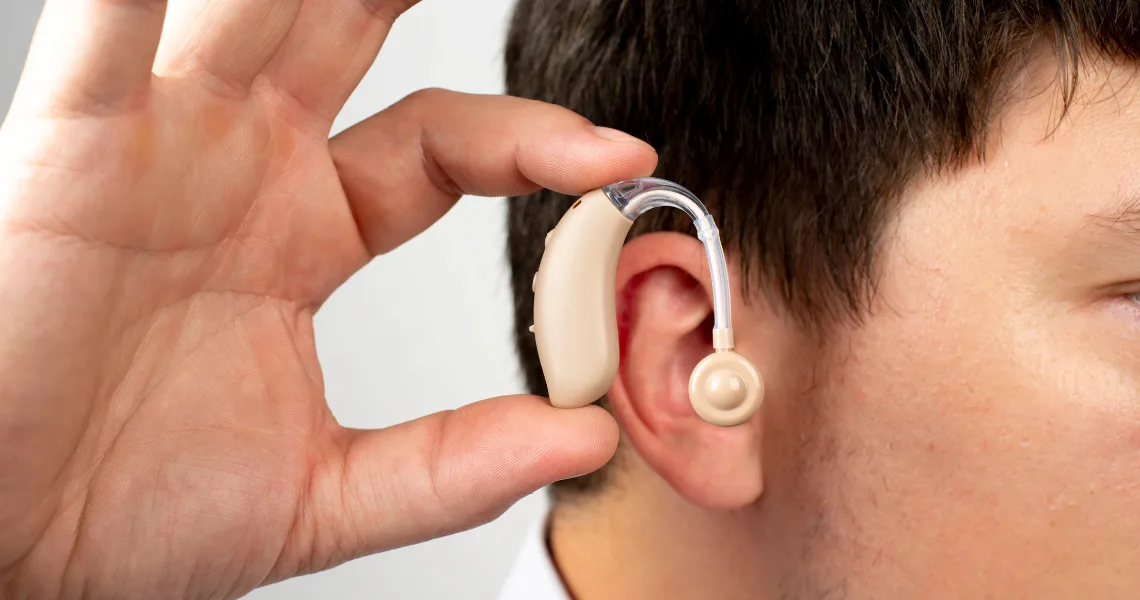
If hearing aids aren’t improving your ability to understand speech or communicate effectively, cochlear implants might be the life-changing solution you need. Whether you’re struggling with severe hearing loss or seeking enhanced hearing clarity, these medical devices open new doors to communication and a richer quality of life. Let’s explore what cochlear implants are, how they work, and what you can expect from the process.
Understanding the Basics of Cochlear Implants
Cochlear implants are electronic devices designed for individuals with severe to profound sensorineural hearing loss (SNHL). SNHL occurs when the delicate hair cells in your inner ear or the nerve pathways that send sound signals to your brain are damaged.
Unlike hearing aids, which amplify sound, cochlear implants bypass the damaged parts of the inner ear. Instead, they convert sound into electrical signals that directly stimulate the auditory nerve, allowing the brain to interpret these signals as sound.
This advanced design enables cochlear implants to create a functional hearing experience, especially for individuals who no longer benefit from hearing aids. While the sound quality isn’t identical to natural hearing, it provides significant improvement, especially for understanding speech in quiet and conversational settings.
When Should You Consider a Cochlear Implant?
If you find it challenging to understand speech in noisy environments, focus on high-pitched sounds, or locate the source of sounds, it may be time to explore cochlear implants. These devices are typically considered for individuals with severe to profound SNHL who gain little to no benefit from well-fitted hearing aids.
It’s important to note that age is not a barrier. From young children to adults well into their 90s, cochlear implants can transform lives by enhancing communication and social engagement.
What Causes Severe Hearing Loss?
Hearing loss has many causes, including genetics, ageing, extended exposure to loud noise, certain medications, injuries, or infections like meningitis. Diagnosing the root cause of your hearing loss is essential for determining whether you’re a candidate for cochlear implantation.
While early intervention often yields the best outcomes, adults experiencing long-term hearing loss can also achieve significant improvements with cochlear implants. At centres like Dr. Deenadayal’s ENT Care Centre, trusted as one of the best ENT hospitals in Hyderabad, patients receive comprehensive evaluations to assess their candidacy for the procedure.
How Cochlear Implants Work?
A cochlear implant system consists of two main components. The external portion, worn behind the ear, includes a microphone, a speech processor, and a transmitter. The internal portion, surgically placed under the skin behind the ear, includes a receiver and electrodes inserted into the cochlea (a part of the inner ear). When the system is activated, the following steps happen:
- Sound Detection: The microphone picks up environmental sounds and sends them to the processor.
- Signal Conversion: The speech processor converts these sounds into digital signals.
- Electrical Stimulation: The internal receiver interprets the signals and sends them to the electrodes in the cochlea.
- Brain Interpretation: The electrodes stimulate the auditory nerve directly, allowing the brain to perceive sound.
This process, although complex, creates an auditory experience that helps people understand speech, engage socially, and immerse themselves in conversations.
Setting Realistic Expectations
Cochlear implants are not a miracle that restores perfect hearing. What they do offer is an effective sense of hearing that makes speech more understandable. Noisy settings, phone calls, and music may remain challenging, but many users experience a dramatic improvement in communication confidence. Adults report an 80–90% increase in speech understanding, while children—especially those implanted early—often develop language skills on par with their peers.
Remember, patience is key! Cochlear implant recipients undergo significant rehabilitation, including regular follow-ups and auditory-verbal therapy. Over time, most users adjust to the new way of hearing and report high satisfaction rates.
What’s the Process Like?
The cochlear implant process takes a few months and includes:
- Evaluation: An audiologist will assess your hearing loss, ear health, and general health through tests like audiometry and imaging.
- Surgery: The device is implanted in an outpatient procedure lasting 1–2 hours.
- Activation and Fitting: After a few weeks of healing, the external components are fitted. Sound mapping begins to personalise the hearing experience.
- Rehabilitation: Regular auditory training helps your brain adapt to this new way of hearing.
At Dr. Deenadayal’s ENT Care Centre, a dedicated team ensures you’re guided through each step, from evaluation to post-surgical support. With the latest technologies and patient-focused care, it’s no wonder why this hospital is a trusted name in Hyderabad for hearing healthcare.
Benefits Beyond Hearing
Cochlear implants do more than restore sound perception. Users often report improved social interactions, reduced feelings of isolation, and a boost in mental well-being. For older adults, there’s even evidence that cochlear implants can slow cognitive decline and enhance quality of life.
On a broader scope, these devices allow users to rejoin conversations, engage more freely, and experience life with greater vibrancy than before.
Are There Risks in implanting Cochlear hearing?
Like any surgery, cochlear implantation has risks—but they’re minimal. The procedure is mostly safe, with rare complications like infection, implant failure, or dizziness. Vaccination against meningitis is often recommended before surgery. Any concerns should be discussed thoroughly with your ENT specialist in Hyderabad.
Breakthroughs in Technology
Today, cochlear implant technology is advancing rapidly. Bilateral implants (one for each ear), fully implantable devices, and artificial intelligence-driven sound processing are just some modern innovations improving user experiences. Invest in care at a centre equipped with such cutting-edge solutions for the best results.
Conclusion
Cochlear implants have revolutionised the way individuals with severe hearing loss can experience sound and communication. While they may not be suitable for everyone, for those who qualify, these devices provide an invaluable opportunity to improve their quality of life dramatically.
Through proper evaluation, consistent use, and rehabilitation, users can adapt and enjoy the benefits of enhanced auditory perception. It is essential to discuss all available options with a healthcare provider to determine the best path forward for each individual’s unique needs.
If hearing aids no longer meet your needs, don’t wait to seek help. Schedule an appointment ENT specialist today. At Dr. Deenadayal’s ENT Care Centre, considered among the best ENT hospitals in Hyderabad, you’ll receive top-notch care and guidance. Take your first steps towards better hearing, greater communication, and a fuller life.

Dr. Deendayals ENT Care Centre
CALL US FOR ANY HELP
GET IN TOUCH ON