
How to Get Rid of a Keloid on Your Ear
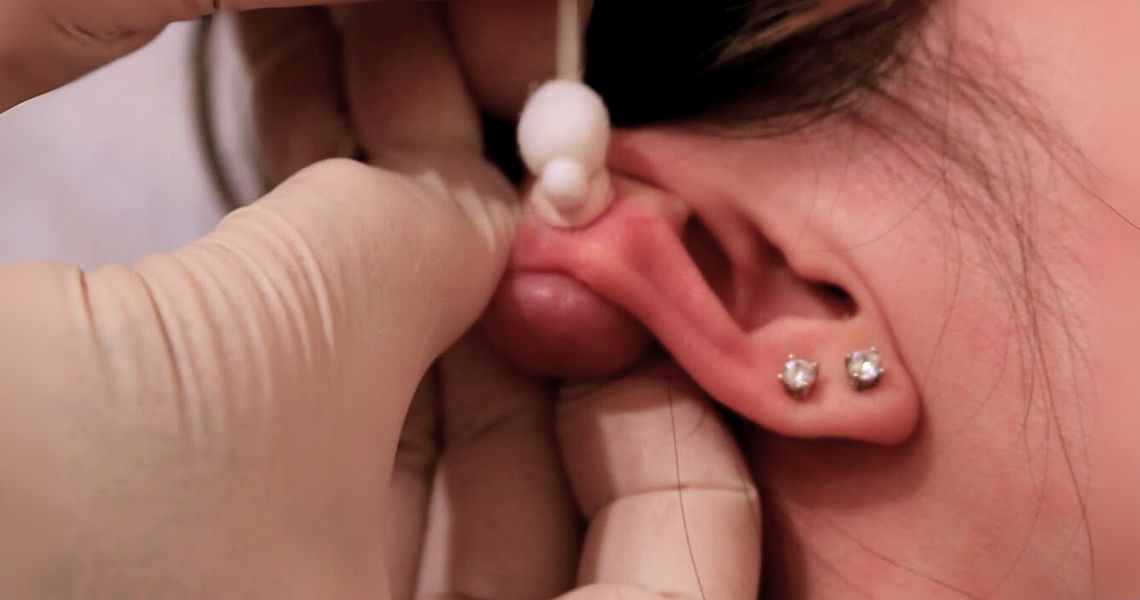
A keloid on the ear rarely goes away on its own, and no home remedy or overnight method can reliably remove it.
Treatment may include corticosteroid injections, silicone gel or sheets, pressure therapy, cryotherapy, laser treatment or surgical removal combined with measures to reduce recurrence.
The right approach depends on the keloid’s size, location and previous treatment. Because ear keloids can return after removal, treatment should be planned with a qualified specialist.
What Exactly Is a Keloid?
A keloid is a type of raised scar that develops when the body produces excess scar tissue during wound healing. Unlike a typical scar, a keloid grows beyond the boundaries of the original skin injury and may continue enlarging over time.
The earlobes are particularly susceptible to keloids after piercings, although they can also develop on the upper ear cartilage or behind the ear. Cuts, burns, surgery and other skin injuries can also trigger keloid formation.
Keloids may feel firm or rubbery and appear pink, red, brown or darker than the surrounding skin. They are not usually dangerous, but they can cause itching, tenderness, discomfort or concerns about appearance.
If you have previously developed a keloid, you may be more likely to develop another one after a new skin injury. Early assessment can help establish whether a bump is a keloid and which treatment options may be appropriate.
Why Do Some People Get Keloids?
Keloids do not form after every injury. They develop when the skin’s healing response produces excess scar tissue. Several factors can increase the likelihood of developing one.
- Family history: Having close relatives who develop keloids may increase your risk.
- Skin injuries: Ear piercings, cuts, burns, acne and surgical wounds can trigger keloid formation.
- Age: Keloids are commonly seen in younger people, particularly during adolescence and early adulthood, although they can develop at any age.
- Skin pigmentation: Keloids occur more frequently in people with darker skin tones.
- Previous keloids: A history of keloids suggests a greater risk of developing additional ones after future injuries.
If you have a personal or family history of keloids, consider avoiding unnecessary piercings and discuss your risk with a healthcare professional before elective procedures.
Common Symptoms and How Keloids Are Diagnosed
Ear keloids usually develop gradually rather than appearing overnight. Their appearance, texture and growth pattern help distinguish them from other bumps around a piercing.
What keloids may look or feel like?
Common features include:
- A raised, firm or rubbery bump that feels thicker than the surrounding skin.
- A smooth, sometimes shiny surface.
- Pink, red, brown or darker pigmentation.
- Growth beyond the boundaries of the original piercing or wound.
- Itching, tenderness or discomfort.
- Gradual enlargement over weeks or months.
What the start of a keloid looks like on the ear:
- A firm, raised bump at the piercing or wound site, often becoming noticeable several months after the injury.
- Pink, red or darker skin compared with the surrounding area.
- Itching, tenderness or mild pain.
- A smooth or shiny surface.
- Gradual growth beyond the edges of the original piercing hole.
Keloids may become noticeable around three to twelve months after an injury, although the timing varies. A bump that continues to enlarge after the piercing has healed should be examined by a healthcare professional. Early assessment can help identify the type of scar and discuss treatment before it grows further.
Recommended image placement: Insert a clinical photograph of an early earlobe keloid here, using an actual patient image only with documented consent for publication.
Suggested image alt text: early keloid on earlobe after piercing
How doctors figure it out
A healthcare professional will usually examine the bump and ask about the original injury, when the swelling began and whether it has changed in size.
The assessment may include:
- Physical examination: Checking the bump’s size, texture, colour and relationship to the original wound.
- Medical history: Asking about previous keloids, family history, piercing complications and earlier treatments.
- Scar assessment: Distinguishing a keloid from a hypertrophic scar, which remains within the boundaries of the original wound.
- Further testing when needed: If the diagnosis is uncertain or the lesion has unusual features, a biopsy or other investigation may be recommended.
Most typical keloids can be diagnosed through examination, but not every lump near a piercing is a keloid.
Is It a Keloid or Just a Piercing Bump?
Not every bump that develops after an ear piercing is a keloid. Irritation, infection and hypertrophic scarring can produce similar-looking changes, but the causes and treatments differ.
| Feature | Piercing bump or hypertrophic scar | Keloid |
| When it appears | May develop within weeks of piercing or during healing | May become noticeable several months after injury |
| Size | An irritation bump may remain localised; a hypertrophic scar stays within the original wound | Grows beyond the original wound boundaries |
| Over time | May settle as irritation improves; hypertrophic scars can gradually flatten | Often persists or grows slowly |
| Feel | Varies from soft to firm, depending on the cause | Often firm or rubbery |
| After removal or treatment | Depends on the underlying cause and type of scar | Can recur, particularly after removal alone |
An infected piercing can also cause a red, swollen and painful bump, sometimes with pus or warmth. Infection needs different treatment from a keloid.
Do not squeeze, cut or try to drain a piercing bump yourself. Seek medical advice if you are unsure what it is, if it is becoming more painful or swollen, or if you notice pus, spreading redness or fever.
Effective Treatment Options for Ear Keloids
Treatment aims to reduce the size of the keloid, relieve symptoms and lower the risk of recurrence. The NHS lists steroid injections, silicone dressings or gels, cryotherapy and laser therapy among the treatments that can improve how a keloid looks, and says surgery alone is not usually recommended because the keloid is likely to grow back bigger. No single method works for everyone, and more than one treatment may be needed.
Non-Surgical Treatments
- Corticosteroid Injections
Corticosteroid injections, commonly using triamcinolone, are often used to flatten keloids and reduce itching or tenderness. The medicine is injected directly into the scar by a trained healthcare professional.
Several sessions may be needed, commonly spaced a few weeks apart. The number of treatments depends on the keloid’s size, thickness and response. Possible side effects include skin thinning and changes in skin colour.
- Cryotherapy
Cryotherapy uses controlled freezing, usually with liquid nitrogen, to damage excess scar tissue and reduce its size. It may be considered for selected small keloids.
Multiple sessions may be required. Possible side effects include discomfort, blistering and lightening of the treated skin.
- Laser Therapy
Laser treatment may help reduce redness or improve the appearance and thickness of selected keloids. It is often combined with other treatments, such as corticosteroid injections, rather than used as a guaranteed stand-alone solution.
The expected benefits and risks depend on the laser type, skin characteristics and scar.
- Silicone Gel or Sheets
Silicone products are applied to the skin over the scar. With consistent use over several months, they may help soften and flatten some raised scars and can be useful as part of a broader treatment plan.
Results vary, and silicone products may be less effective for large or established keloids. Follow the product instructions and your clinician’s advice.
- Pressure Therapy
Pressure earrings apply controlled pressure to the earlobe and may help reduce the risk of recurrence after keloid removal. They are generally used as part of a treatment plan and may need to be worn consistently for several months.
The fit and amount of pressure matter. Poorly fitted earrings can irritate or injure the skin, so use them under appropriate medical guidance.
Surgical Options
Surgery may be considered for larger ear keloids or those that do not respond adequately to non-surgical treatments. The procedure removes the excess scar tissue, but surgery alone has a substantial risk of recurrence.
For this reason, a specialist may recommend combining surgery with corticosteroid injections, pressure earrings or silicone products. Other treatments may be considered in selected cases depending on the keloid and the patient’s medical circumstances.
Cutting out a keloid on its own can lead to the scar growing back, sometimes larger than before. This is because the surgical wound can trigger the same excessive scar-forming response.
After surgery, follow-up appointments are important to monitor healing and identify early signs of regrowth. The duration of follow-up depends on the treatment plan and recurrence risk; some patients need monitoring for a year or longer.
Emerging Treatments
Other treatments, including certain injectable medicines and combination approaches, have been studied for keloids. Their suitability and evidence vary, and they are not appropriate for every patient.
A specialist can explain which established or selected alternative treatments may be suitable for your particular scar. Ask about the expected benefits, possible side effects, cost implications and likelihood of recurrence before deciding on a procedure.
Can You Get Rid of an Ear Keloid at Home or Overnight?
No. A keloid is made of excess scar tissue, and no home remedy can reliably dissolve it overnight. Established keloids usually require consistent treatment, and some need medical procedures.
Remedies promoted online, including tea tree oil, garlic, aspirin paste and apple cider vinegar, do not have reliable evidence showing that they can remove an ear keloid. They can also irritate the skin or cause burns and inflammation.
What you can safely do at home:
- Silicone gel or sheets: Use as directed, often daily over several months. They may soften or flatten some scars, but results are not guaranteed.
- Protect the area from irritation: Avoid unnecessary rubbing, pressure or repeated trauma to the keloid.
- Follow your treatment plan: If a clinician has recommended silicone products or pressure therapy, use them according to the instructions provided.
- Leave the keloid alone: Do not cut, tie off, squeeze or puncture it. Additional injury can worsen scarring or cause infection.
Pressure earrings are often considered after medical treatment for selected earlobe keloids. They should not be improvised or worn so tightly that they cause pain, skin damage or impaired circulation.
If the keloid is growing, painful, repeatedly irritated or affecting your ability to wear earrings, consult a qualified specialist. They can assess whether injections, silicone therapy, pressure treatment or surgical removal is appropriate.
Preventing Keloids Before They Form
You cannot prevent every keloid, especially if you have a genetic tendency to form them. However, avoiding unnecessary skin injuries and recognising changes early may help reduce risk and support timely treatment.
- Avoid unnecessary piercings: If you have had a keloid before, consider avoiding new ear piercings, particularly through the upper ear cartilage.
- Care for skin injuries: Follow appropriate wound-care instructions and seek medical advice if a wound becomes infected.
- Discuss your history before surgery: Tell your surgeon if you have developed keloids in the past or have a strong family history.
- Monitor new scars: Seek assessment if a scar becomes raised, itchy or continues growing beyond the original wound.
- Follow professional advice: Silicone products or pressure therapy may be recommended in selected situations, but their use should depend on the wound, scar and clinical advice.
If you have had a keloid before:
- Avoid new ear piercings where possible, particularly in the upper ear cartilage.
- Inform your doctor before ear or facial surgery so your risk of excessive scarring can be considered.
- Seek early assessment if a new bump develops. Your clinician may recommend silicone products or pressure therapy in suitable cases.
Starting treatment early may help manage a developing scar, but it does not guarantee that a keloid will not form or recur.
Living With an Ear Keloid
An ear keloid can affect comfort, appearance and the way you feel about your ear. Some people experience itching or tenderness, while others are mainly concerned about the visible lump or difficulty wearing earrings.
It is reasonable to seek treatment if the scar bothers you, but there is no need to feel pressured to undergo a procedure solely for cosmetic reasons. The decision should be based on your symptoms, preferences, the potential benefits and the risks of treatment.
Monitor the keloid for changes in size, colour, pain or other symptoms. Avoid repeatedly touching or irritating it, and attend follow-up appointments if you are receiving treatment.
At Dr. Deenadayal’s ENT Care Centre, patients can discuss their symptoms and concerns with a healthcare professional and explore suitable next steps based on clinical assessment.
Frequently Asked Questions
Will an ear keloid go away on its own?
Ear keloids rarely disappear completely without treatment. They may remain the same size or continue growing slowly. If you notice a raised scar after a piercing or injury, have it assessed to confirm whether it is a keloid and discuss suitable treatment options.
How many steroid injections does a keloid need?
Several corticosteroid injections may be needed, often at intervals of a few weeks. Some keloids respond after a small number of sessions, while others require additional treatment or a combination of approaches. The number depends on the scar’s size, thickness and response to treatment.
Can I wear earrings again after keloid removal?
Some people can wear earrings again after the wound has healed, but the timing depends on the procedure and your clinician’s advice. Pressure earrings may be recommended to reduce recurrence. Re-piercing the same site can trigger another keloid, so discuss the risks before getting another piercing.
Why do keloids come back after removal?
Keloids develop because of an excessive scar-forming response during wound healing. Surgery creates another wound, which may trigger the same response and lead to regrowth. Combining removal with appropriate follow-up treatment can help reduce recurrence, although it cannot eliminate the risk entirely.
Takeaway
An ear keloid is an overgrowth of scar tissue that can develop after a piercing or another skin injury. It rarely disappears completely on its own, and home remedies cannot reliably remove it overnight.
Treatment may include corticosteroid injections, silicone products, pressure therapy, cryotherapy, laser treatment or surgery combined with additional measures. The most appropriate option depends on the keloid’s size, location, symptoms and treatment history.
If you notice a bump that continues growing after an ear piercing has healed, seek an assessment rather than trying to remove it yourself. Early diagnosis can help distinguish a keloid from an infection or another type of scar and guide treatment.
At Dr. Deenadayal’s ENT Care Centre, you can discuss your symptoms and treatment options with a healthcare professional at our ENT clinic in East Marredpally, Secunderabad. The aim is to provide appropriate, individualised care while explaining the possible benefits, limitations and recurrence risks.

DECC Clinical Content Team
CALL US FOR ANY HELP
GET IN TOUCH ON