
You’ve finally accepted that you need a hearing aid, and now you’re staring at prices ranging from a few thousand rupees to several lakhs, with no clear idea why.
Hearing aid costs in India depend mainly on three things: the type of device, the technology tier, and the brand, and understanding these upfront stops you from either overpaying or under-buying for your actual needs.
At Dr. Deenadayal’s ENT Care Centre, this is one of the most common conversations we have with patients because the “right” hearing aid isn’t the most expensive one; it’s the one matched to your specific hearing loss and daily life.
Key takeaways:
- Hearing aid cost is driven by device type, technology level, and brand, not just brand name alone.
- Prices in India range roughly from ₹10,000 to over ₹300,000 per device
- The most expensive option isn’t automatically the best fit for your hearing loss
- Total cost includes fitting, programming, and follow-up, not just the device itself
- Government support schemes can meaningfully reduce cost for eligible patients
What Actually Determines Hearing Aid Cost in India?
Three factors combine to set the final price: the physical style of the device, its technology level, and the brand you choose.
A basic device with fewer features will always cost less than one with AI-driven noise processing, Bluetooth streaming, and rechargeable batteries, regardless of brand.
Understanding this breakdown, rather than just comparing brand names, is what actually helps you make a sensible decision.
- Device style
Where and how the device sits in or around your ear changes both comfort and cost.
- Technology tier
More channels, better noise filtering, and smart features raise the price meaningfully at every step up. Our overview of current hearing aid technology advancements breaks down what these higher-tier features actually do in practice, which is useful context before comparing price tags.
- Brand and manufacturing
Established international brands invest heavily in research and chip design, which is reflected in their pricing, though this doesn’t automatically mean a better fit for every patient.
What Do the Different Hearing Aid Types Actually Cost?
Here’s a general reference for what each hearing aid style typically costs in the Indian market, based on current pricing across major providers:
| Hearing Aid Type | Typical Price Range (per device) | Best Suited For |
| Behind-the-Ear (BTE) | ₹8,000 – ₹1,50,000+ | Moderate to profound hearing loss, durability, ease of handling |
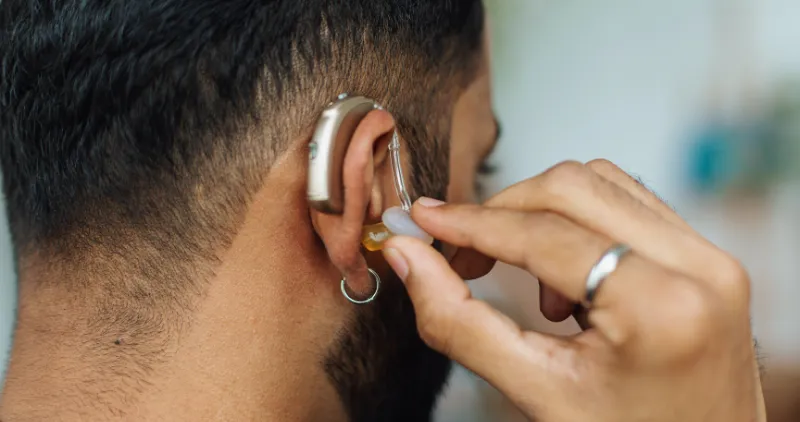
| Receiver-in-Canal (RIC) | ₹35,000 – ₹3,00,000+ | Discreet fit with strong sound quality, most popular current choice |
| In-the-Ear (ITE) | ₹40,000 – ₹2,50,000+ | Custom comfort, moderate visibility |
| Completely-in-Canal (CIC) | ₹60,000 – ₹4,00,000+ | Cosmetic discretion, mild to moderate loss |
These figures reflect general Indian market ranges and change over time. Treat this as a planning guide, not a fixed quote, and confirm current pricing with your audiologist before deciding.
When Does Spending More Actually Make Sense?
Spending more is worth it when your lifestyle genuinely demands it, not simply because a higher price feels safer.
If you spend most of your day in quiet, one-on-one settings, a mid-range device with good basic noise handling often performs just as well in practice as a premium one.
If you’re regularly in noisy restaurants, large meetings, or social gatherings, advanced noise filtering and directional microphones, which are features that come with higher-tier devices, make a real, noticeable difference.
Severity of hearing loss also matters more than most patients realize: more severe loss generally needs a more powerful device regardless of your budget preference, since underpowered aids simply won’t provide adequate amplification.
How Do You Figure Out Which Type Is Right for You?
Your actual hearing test results, combined with your daily lifestyle, should drive this decision, not marketing language on a brand’s website.
Our hearing loss evaluation and treatment page covers what a proper diagnostic workup involves before any device recommendation is made.
- Match to hearing loss severity
An audiologist’s assessment determines whether a smaller, less powerful device will genuinely serve you, or whether you need a more robust option.
- Match to daily environment
Someone attending frequent meetings or social events benefits more from advanced noise-handling technology than someone who spends most of their time at home.
- Match to dexterity and comfort
Smaller, nearly invisible devices can be harder to handle for some patients, particularly those with reduced dexterity; durability and ease of use sometimes matter more than discretion.
Rather than guessing from online price lists, it helps to get this matched to your actual hearing profile. Book a consultation with Dr. Deenadayal at our ENT centre in Secunderabad and get device recommendations based on your specific test results, not a generic price bracket.
What Are the Full Costs Beyond Just the Device?
The device price is only part of your total spend, and this is where many patients get caught off guard later.
Initial fitting and professional programming are typically included in the device price at reputable clinics, but follow-up adjustment visits, battery replacements or charging accessories, and occasional repairs add to the cost over the device’s lifetime.
In India, the ADIP scheme (Assistance to Disabled Persons) offers subsidized or free hearing aids for eligible patients, particularly those with documented disability status and income within the scheme’s threshold.
You can check current eligibility and coverage limits directly on the Department of Empowerment of Persons with Disabilities’ ADIP page before assuming a device is out of reach.
What Does Life With a Hearing Aid Actually Look Like Afterward?
Most patients describe an adjustment period of a few weeks before a hearing aid starts to feel natural, followed by a genuine improvement in daily communication.
Sounds may initially feel unusually sharp or “too loud” as your brain re-adjusts to hearing frequencies it had stopped processing clearly.
This settles with consistent daily use and a couple of follow-up programming sessions, after which most patients report noticeably easier conversations, less fatigue from straining to hear, and more comfort in group settings.
How Does Cost Anxiety Delay People From Getting Help?
Worrying about cost is one of the most common reasons patients delay getting a hearing aid for years, sometimes far longer than the actual financial gap justifies.
We’ve seen the same pattern with other ENT treatments — our breakdown of tinnitus treatment costs in Secunderabad covers a similar range of options and price points if ringing is part of what you’re dealing with alongside hearing loss.
This delay isn’t harmless; untreated hearing loss over time is linked to greater social withdrawal and communication strain, both of which compound the longer they go unaddressed.
Getting an honest, itemized cost picture early, rather than avoiding the conversation out of fear of a scary number, usually turns out to be far less financially daunting than patients initially assume, especially once financing options and subsidy schemes are factored in.
How Can You Get the Best Value Without Overpaying?
Get a hearing test first, always. Buying a device before knowing your actual hearing profile is the single most common way people overpay for features they don’t need.
Ask directly whether a mid-range device could reasonably meet your needs before assuming premium is required. Confirm what’s included in the quoted price; fitting, programming, and follow-up visits should typically be part of it, not billed separately later.
And ask about a trial period; a legitimate provider will let you test a device in your real daily environment before you commit.
Final Thoughts
Hearing aid cost in India varies widely, but the right device for you depends on your hearing loss severity and daily life, not on choosing the most expensive option available.
Getting a proper hearing assessment before comparing prices ensures you spend on what you actually need, not on features that sound impressive but don’t change your day-to-day experience.
Frequently Asked Questions
Do government schemes really cover hearing aid costs in India?
Yes, the ADIP scheme provides subsidized or free hearing aids for eligible individuals with documented disability, though eligibility and device options vary, so it’s worth checking directly with your provider.
Can I buy a hearing aid online without visiting a clinic first?
It’s not advisable — hearing aids need to be fitted and programmed based on your specific hearing test results, and skipping this step often leads to poor performance or discomfort.
Are personal sound amplifiers (PSAPs) the same as hearing aids?
No, PSAPs are general amplification devices not calibrated to your specific hearing loss, while hearing aids are medically fitted and programmed for your exact hearing profile.
How long does a hearing aid typically last before needing replacement?
Most hearing aids last around 5 to 7 years with proper care, though battery life and technology relevance can vary depending on usage and maintenance.
Is it normal for a hearing aid to feel uncomfortable in the first few days?
Yes, a short adjustment period is completely normal as your ear and brain adapt to the device, and this usually resolves with proper fitting adjustments.
Can I get an EMI or financing option for a hearing aid in India?
Yes, many clinics and hearing aid providers offer EMI plans, making it easier to spread the cost over several months instead of paying the full amount upfront.
Do I need two hearing aids, or is one enough?
This depends on whether your hearing loss affects one or both ears — your audiologist can confirm this based on your test results, since using two when only one is needed adds unnecessary cost.
How often do hearing aid batteries or charges need replacing?
Traditional batteries typically last one to two weeks depending on usage, while rechargeable models are usually charged nightly and last several years before needing replacement.
Is it worth buying an extended warranty for a hearing aid?
It can be worthwhile, since repairs and servicing outside warranty can add up, though it’s reasonable to weigh this cost against the device’s overall price and expected lifespan.
Can children use the same types of hearing aids as adults?
Children can use similar device types, but selection depends heavily on their specific hearing loss and growth needs, so pediatric fitting should always involve a specialist experienced with young patients.
Medical Disclaimer:
Content regarding hearing loss, audiometry testing, and hearing aid pricing is for educational purposes only and not a substitute for clinical advice. Always undergo a formal hearing evaluation with a qualified ENT specialist or audiologist before purchasing or fitting hearing devices.

DECC Clinical Content Team
CALL US FOR ANY HELP
GET IN TOUCH ON