
Can Sound Therapy Machines Cure Tinnitus?
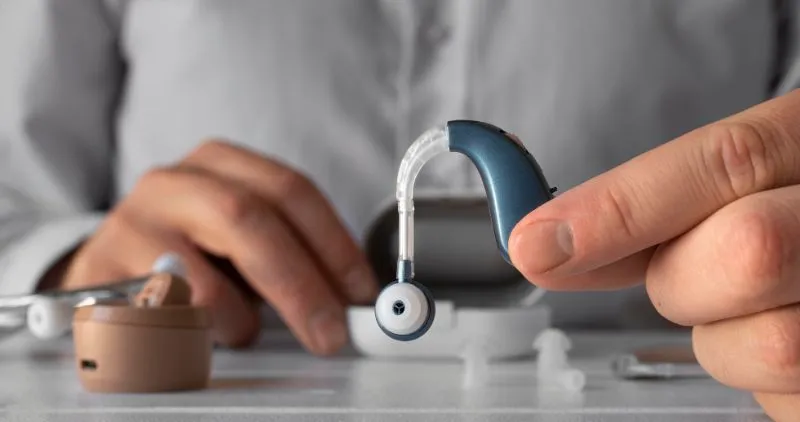
Living with tinnitus—a persistent ringing, buzzing, or hissing sound in the ears—can be an exhausting experience that affects sleep, concentration, and overall quality of life.
While many patients search for a definitive “cure,” the reality of tinnitus treatment is often about retraining the brain rather than silencing the ear.
At Dr. Deenadayal’s ENT Care Centre in Secunderabad, we combine over 40 years of clinical experience with modern technological solutions to help patients find relief. One of the most effective tools in our arsenal is sound therapy, a method that uses specific external noises to alter how you perceive internal ringing.
Key Takeaways
- Management vs. Cure: Sound therapy machines do not “cure” tinnitus in the traditional sense but significantly reduce the brain’s focus on the noise.
- How It Works: By introducing a constant, neutral background sound, these machines mask the tinnitus, making it less intrusive.
- Types of Machines: Options range from simple white noise machines to sophisticated hearing aids with built-in masking features.
- Consistency is Key: Regular use, especially during quiet times like sleep, is crucial for habituation.
How do sound therapy machines work for tinnitus?
For patients seeking sound therapy for tinnitus in Secunderabad, understanding the science behind it can make all the difference in committing to the process.
To understand how sound therapy works, imagine a single candle burning in a pitch-black room. It appears incredibly bright and draws all your attention.
Now, imagine turning on the overhead lights. The candle is still burning, but it is no longer the focal point; it blends into the background.
The Principle of Habituation
Sound therapy machines work on this exact principle. Tinnitus is most distressing when it is the dominant sound in your environment, which is why it often seems louder at night.
By introducing a low-level, consistent background noise—such as white noise, pink noise, or nature sounds—these machines reduce the contrast between the silence of the room and the ringing in your ears.
Over time, this helps the brain “habituate” or get used to the tinnitus. Instead of treating the ringing as a threat or an annoyance to focus on, the brain learns to filter it out as unimportant background data.
What types of sound therapy machines are available?
There is no one-size-fits-all solution, and the technology has evolved significantly. Depending on your lifestyle and the severity of your symptoms, different devices may be recommended.
Tabletop Sound Machines:
These are commonly used in bedrooms to aid sleep. They produce soothing sounds like falling rain, ocean waves, or static white noise. They are excellent for patients whose tinnitus prevents them from falling asleep.
Wearable Maskers:
These look like small hearing aids but emit a subtle white noise directly into the ear canal. They are useful for patients who need relief throughout the day while working or socialising.
Hearing Aids with Integrated Tinnitus Therapy:
For patients who have both hearing loss and tinnitus (which is very common), modern hearing aids are the gold standard. They amplify external sounds to stimulate the brain while simultaneously playing a masking noise to cover the tinnitus.
Can sound therapy permanently cure tinnitus?
It is important to manage expectations. Currently, there is no scientifically proven “cure” that eliminates chronic tinnitus for everyone. However, sound therapy is a highly effective management strategy.
From Suffering to Coping
While the sound may not disappear completely, sound therapy can take a patient from a state of distress to a state of indifference. The goal is to reach a point where, although the tinnitus is present, it no longer triggers anxiety or disrupts daily life.
This process is known as Tinnitus Retraining Therapy (TRT), often combining sound machines with counselling.
Is sound therapy right for everyone?
While generally safe, sound therapy is most effective when tailored to the individual. Factors such as the pitch of your tinnitus, your hearing levels, and your sensitivity to sound (hyperacusis) all play a role in selecting the right device.
Professional Assessment is Crucial
Before purchasing a machine, consulting a tinnitus specialist in Secunderabad is essential. A comprehensive audiological evaluation is necessary to determine if your tinnitus is a symptom of an underlying condition, such as an ear infection or Meniere’s disease, which might require medical treatment first.
If you are struggling with persistent ringing in your ears and want to explore professional sound therapy options, our team is ready to assist you.
Book Your Appointment Now: Call +91 9100500111
How to use sound therapy machines effectively at home?
Simply buying a machine is often not enough; using it correctly is vital for success.
Set the Volume Correctly:
The masking sound should be set just below the volume of your tinnitus. This is known as the “mixing point.” If the masking sound completely covers the tinnitus, the brain cannot learn to habituate to it. The goal is to mix the two sounds so the brain eventually ignores both.
Consistency:
Use the sound therapy consistently, especially during quiet periods. It may take several weeks or even months for the brain to fully adjust and for you to notice a significant reduction in distress.
Combine with Relaxation:
Stress makes tinnitus worse. Using sound machines in conjunction with relaxation techniques like deep breathing can amplify the benefits.
Are there side effects to using sound machines?
Sound therapy is non-invasive and generally free of side effects. However, setting the volume too high can potentially damage hearing over time. It is essential to keep the volume at a comfortable, safe level.
Additionally, some patients may find certain sounds irritating rather than soothing; finding the right “colour” of noise (white, pink, or brown) is a personal process.
Conclusion
While a magic cure for tinnitus remains elusive, sound therapy machines offer a clinically proven path to relief.
By masking the intrusive ringing and helping the brain habituate to the sound, these devices allow patients to reclaim their sleep and focus.
At Dr. Deenadayal’s ENT Care Centre — a trusted ENT specialty hospital in Secunderabad — our approach is holistic. We don’t just treat the ear; we treat the person.
Through expert diagnosis and personalised therapy plans, we help the community of Secunderabad find peace amidst the noise.
Frequently Asked Questions
- What is the best “colour” of noise for tinnitus relief?
While “white noise” (like static) is the most common, many patients find “pink noise” (deeper, like heavy rain) or “brown noise” (very deep, like a waterfall) more soothing. The best colour is subjective and depends on the pitch of your tinnitus. - Can I just use a fan or AC instead of a machine?
Yes, environmental sounds like a ceiling fan or air conditioner can act as rudimentary sound therapy. However, dedicated machines offer consistent, adjustable frequencies that can be tailored specifically to mask your tinnitus more effectively. - Will wearing headphones for sound therapy make my tinnitus worse?
If used at a safe volume, headphones are safe. However, listening at high volumes for extended periods can damage hair cells in the inner ear, potentially worsening tinnitus. We generally recommend open-ear speakers or specialised medical devices over standard earbuds for long-term therapy. - How long does it take for sound therapy to work?
Immediate relief is often felt as soon as the machine is turned on because the sound is masked. However, for long-term habituation (where you don’t notice the tinnitus even without the machine), it typically takes 6 to 18 months of consistent therapy. - Is sound therapy covered by health insurance?
Coverage varies significantly. While standard white noise machines are usually an out-of-pocket expense, hearing aids with tinnitus masking features may be partially covered depending on your specific insurance plan and the severity of your hearing loss. It is best to check with your provider.
Dr. Deenadayal's ENT Care Centre, Secunderabad. Our content team prepares and review by specialist Team.
DECC Clinical Content Team
CALL US FOR ANY HELP
GET IN TOUCH ON