
How to Get Rid of a Keloid on My Ear?
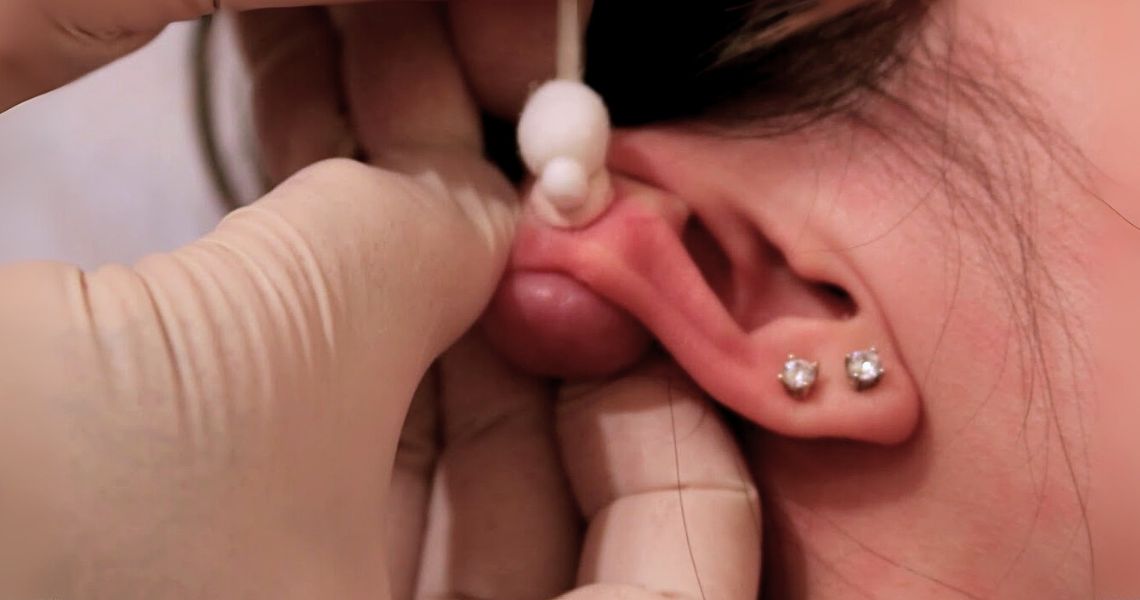
Ear keloids can be a source of physical discomfort and emotional distress, especially if they grow noticeably over time. These are thick, raised scars that form after skin injuries like piercings, cuts, or burns. While they’re not harmful to your health, their appearance can affect your confidence.
Fortunately, there are effective ways to manage and treat ear keloids, as well as techniques to help prevent them from forming in the first place.
At Dr. Deenadayals ENT Care Centre, we’ve helped individuals with similar concerns find relief and regain confidence with personalized approaches.
What Exactly Is a Keloid?
A keloid is a type of scar that grows beyond the area of the original skin injury. Unlike a typical scar that lies flat and matches your skin tone over time, keloids are raised, firm, and rubbery. They may appear pink, red, or even darker than the surrounding skin.
The earlobes are especially vulnerable to keloid formation after piercings or injuries, but they can also develop on the chest, shoulders, or back.
If you’re prone to forming keloids, your body’s natural wound-healing response may go into overdrive, producing excess tissue even after a minor injury. Treatments aim to control this excess growth, minimize symptoms, and improve appearance.
Why Do Some People Get Keloids?
Keloids don’t form after every injury, so why do they occur in some individuals? Several factors may increase the risk of developing keloids, including:
-
- Genetics: A family history of keloids increases the likelihood of experiencing them yourself.
- Skin Injuries: Simple activities like ear piercings, small cuts, burns, or even acne scars can sometimes lead to keloid formation.
- Skin Type and Age: People with darker skin tones are more prone to keloids. Additionally, they often occur in individuals aged 10–30 years.
If you’ve had keloids before or know they run in your family, you may want to minimize unnecessary skin trauma, especially on areas prone to scarring like your ears.
Common Symptoms and How Keloids Are Diagnosed
Keloids don’t usually appear overnight. They tend to grow slowly after a skin injury, and their look and feel can be quite different from a normal scar.
What keloids may look or feel like?
-
-
A raised, firm bump that feels thicker than the surrounding skin.
-
A shiny surface that can look glossy in certain light.
-
Pink, red, or dark brown color depending on your skin tone.
-
A scar that extends beyond the original wound area.
-
Itching, tenderness, or discomfort, especially as it grows.
-
Gradual enlargement over time, sometimes becoming much bigger than the initial injury.
-
How doctors figure it out?
-
-
They’ll start with a simple physical examination.
-
They may ask about your injury history and whether you’ve had keloids before.
-
They’ll check if it’s a keloid or a hypertrophic scar (which is raised but doesn’t spread beyond the wound).
-
If it’s not clear, they might do a skin biopsy to rule out other skin conditions like cysts or skin tumors.
-
The good news is that diagnosis is usually straightforward. In most cases, your doctor can tell just by looking at it and asking a few questions.
Effective Treatment Options for Ear Keloids
If you’re living with an ear keloid, rest assured that you’re not without options. Treatment can soften, flatten, and minimise the scar’s appearance.
Non-Surgical Treatments
-
- Corticosteroid Injections
These injections reduce inflammation and stop the keloid tissue from growing further. Multiple sessions spaced weeks apart are often required for best results. - Cryotherapy
This involves freezing the keloid with liquid nitrogen, shrinking it over time. It’s particularly effective for smaller keloids but may cause mild lightening of the surrounding skin. - Laser Therapy
Laser treatment targets the keloid to flatten it and reduce redness. For optimal outcomes, it’s often combined with other therapies like corticosteroid injections. - Silicone Gel Sheets
A non-invasive option to soften and flatten scar tissue. Consistent use over a few months can yield visible results. - Pressure Therapy
If you’ve had keloid removal surgery, wearing pressure earrings immediately afterward can reduce the scar’s likelihood of returning.
- Corticosteroid Injections
Surgical Options
For larger keloids or more advanced cases, surgery to remove the keloid might be considered. However, keloids tend to recur after excision unless followed by additional treatments such as corticosteroid injections. Combination therapies significantly improve long-term success.
Emerging Treatments
Research into alternative treatments for keloids shows promise. Therapies like bleomycin injections (a type of chemotherapy), verapamil, and hyaluronic acid are being studied for their ability to stop keloids from growing. Discuss these options with a specialist to see if they’re suitable for you. For the latest insights on treatments, consulting the top ENT specialist in Hyderabad can offer clarity and guidance tailored to your condition.
Preventing Keloids Before They Form
If you’re prone to keloids, prevention is the key. Here are some practical strategies to reduce your risk:
-
- Avoid unnecessary piercings or tattoos, especially on areas prone to keloids.
- Follow proper wound-care techniques by keeping injuries clean and covered to avoid infection.
- Wear pressure earrings if you’ve recently had your ears pierced to limit keloid formation.
- Address acne or other skin conditions promptly to prevent scarring.
The earlier you identify a developing keloid, the easier it is to manage. Keeping your skin healthy and free from irritation can make a big difference over time.
Living Confidently with Keloids
Dealing with an ear keloid can impact more than just your appearance; it can affect how you feel about yourself. But you don’t have to face this alone. Emotional support, whether from a close-knit group of family and friends or speaking to a professional, can ease the burden.
Additionally, pay attention to any changes in size, colour, or symptoms. Regular monitoring and discussions with your healthcare provider are essential for ongoing management.
At Dr.Deenadayals ENT Care Centre, we take a personalised approach to treatment, ensuring care is tailored to your needs and goals.
Takeaway
Managing ear keloids takes time, but it’s entirely possible with the right care plan. From non-invasive options like silicone sheets and corticosteroid injections to advanced surgical treatments and prevention strategies, there’s hope for improvement.
If you’re concerned about ear keloids or want to explore treatment options, reach out to a trusted professional.
Consulting the best ENT specialist in Hyderabad ensures you’ll receive expert advice and cutting-edge care. At Dr.Deenadayals ENT Care Centre, we’re here to guide you every step of the way, helping you rediscover comfort and confidence.

Dr. Deendayals ENT Care Centre
CALL US FOR ANY HELP
GET IN TOUCH ON