
Can Earplugs Cause or Worsen Tinnitus?

If you’re someone who uses earplugs regularly for sleep, work, or noise protection, you may have wondered, “Can earplugs cause or worsen tinnitus?”
Tinnitus, often described as a ringing or buzzing in the ears without an external sound source, affects millions of people worldwide.
While earplugs are incredibly practical tools for protecting your hearing, there are some precautions worth taking to ensure they don’t end up causing more harm than good.
At Dr. Deenadayals ENT Care Centre, where we’ve helped countless patients manage ear-related concerns, this is a common question we address. Here’s everything you need to know.
What Is Tinnitus?
Tinnitus is not a condition itself but rather a symptom that something might be wrong with your auditory system. People with tinnitus perceive sounds such as ringing, buzzing, or even roaring, despite no external noise. It can be temporary, like after attending a loud concert, or chronic, lasting for weeks, months, or even longer.
The condition’s impact varies widely. For some, it’s a mild distraction, while others find it significantly interferes with their focus, sleep, and quality of life. Symptoms aside, the causes of tinnitus are diverse and range from noise-induced hearing loss and ear infections to more complex health conditions like diabetes or cardiovascular disease.
How Do Earplugs Work?
Earplugs are designed to reduce the noise reaching your ear canal. They come in various materials, including foam, silicone, and wax, and are often used in noisy environments, during sleep, or to improve focus in loud settings.
While earplugs are a fantastic tool for hearing protection, their improper use can sometimes contribute to ear-related problems, including tinnitus.
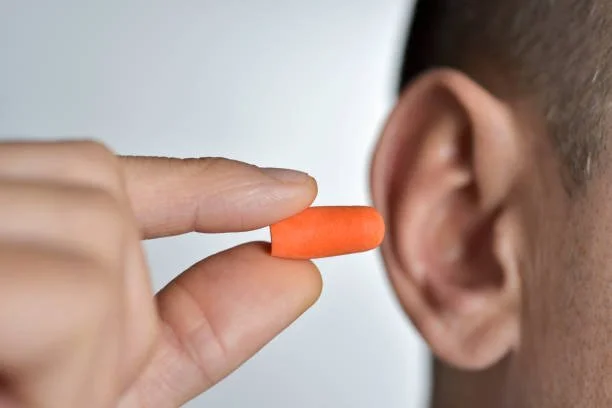
Can Earplugs Cause Tinnitus?
This is a question I’ve encountered many times while treating patients as a top ENT specialist in Secunderabad. While earplugs themselves don’t inherently cause tinnitus, their misuse or overuse could lead to problems that might trigger or exacerbate the condition.
Here’s how this happens:
1. Earwax Impaction
When you insert earplugs, especially deeply, they can push earwax further into the ear canal. Over time, this can lead to blockages. This impacted earwax not only affects hearing but can also create changes in pressure within your ear canal, leading to tinnitus.
2. Ear Infections
Reusable earplugs that aren’t cleaned properly are a breeding ground for bacteria. When bacteria enter the ear canal, they can cause infections. Symptoms of an ear infection include pain, fluid discharge, and, yes, tinnitus.
3. Pressure Changes
If earplugs are inserted incorrectly or too deeply, they can alter the pressure inside your ear canal. This can result in discomfort and, in some cases, a heightened awareness of internal sounds like tinnitus.
4. Heightened Perception of Sounds
For individuals already struggling with tinnitus, prolonged use of earplugs in quiet settings may amplify their perception of internal sounds. This “over-reliance” on earplugs might unintentionally worsen tinnitus symptoms.
Safe Practices for Using Earplugs
The good news? You can still enjoy the benefits of earplugs safely with some simple precautions. Here at Dr. Deendayal ENT Care Centre, we often counsel patients on the proper use of hearing protection. Here are some tips we recommend:
1. Select the Right Earplugs
Choose earplugs that fit well and meet your specific needs. Foam earplugs are excellent for night-time use, while custom-moulded options are ideal for frequent users, as they provide a secure and comfortable fit.
2. Use Proper Techniques
For foam earplugs, roll them into a thin cylinder, gently pull your ear up and outward, and insert. Hold them in place until they expand to seal your ear canal. If using wax earplugs, mould them into a ball and place them over (not inside) the ear opening.
3. Keep Things Clean
-
- Single-use foam earplugs should be discarded after each use to avoid introducing bacteria into the ear.
- Wash reusable earplugs with mild soap and water, and always allow them to dry completely before storing them.
- Store earplugs in a clean, dry case to prevent contamination.
4. Give Your Ears a Break
Avoid using earplugs for extended periods. If you notice discomfort, pain, or changes in your hearing, stop using them and consult a healthcare professional immediately.
Managing and Preventing Tinnitus
If you’re concerned about tinnitus, there are several effective management strategies. One of the most important steps is identifying and addressing the root cause of the problem.
Steps You Can Take
-
- Minimise exposure to loud noises by using hearing protection like earplugs in high-decibel environments.
- Avoid inserting objects like cotton buds or hairpins into your ears to remove wax. This can push wax deeper, increasing the risk of impaction.
- Stay on top of chronic health conditions, such as high blood pressure or diabetes, that might exacerbate tinnitus.
Treatment Options
If you’re already experiencing tinnitus, practical solutions include:
-
- Sound Therapy: White noise machines or apps play ambient sounds that mask the tinnitus and make it less noticeable.
- Cognitive Behavioural Therapy (CBT): Helps individuals manage the emotional distress often caused by chronic tinnitus.
- Hearing Aids: For patients dealing with hearing loss, these devices can vastly improve both their hearing and tinnitus symptoms.
When to Seek Help from a Specialist?
If tinnitus persists, worsens, or interferes with daily life, it’s time to consult an expert. For example, if symptoms are coupled with hearing loss, dizziness, or ear pain, don’t hesitate to seek help.
At Dr. Deenadayals ENT Care Centre, we’ve guided many patients through their tinnitus management journeys with a strong focus on personalised care. It’s always better to get a professional opinion than to wait and hope things improve on their own.
Frequently Asked Questions (FAQs)
1. What causes tinnitus?
Tinnitus can result from loud noise, ear infections, age-related hearing loss, earwax build-up, certain medications, or underlying health conditions.
2. Can tinnitus go away on its own?
For some, tinnitus is temporary and resolves on its own, especially after loud noise exposure. However, it often persists and may need medical help or management.
3. Is tinnitus more common in certain age groups?
Tinnitus affects all ages but is more common in older adults due to age-related hearing loss. Younger people can also develop it after prolonged exposure to loud sounds.
4. What are some ways to manage tinnitus at home?
Steps like avoiding loud noises, reducing stress, and using white noise machines or relaxing music can help manage tinnitus. In severe cases, medical advice may be needed.
5. Is tinnitus a sign of hearing loss?
Tinnitus is often linked to hearing loss, but not always. Many with tinnitus don’t have hearing loss, and vice versa. A hearing test is recommended if tinnitus persists.
6. Can diet or lifestyle affect tinnitus?
Your diet and lifestyle can affect tinnitus. Too much caffeine, alcohol, smoking, or high stress may worsen symptoms. A healthy lifestyle could help reduce its impact.
Final Thoughts
Earplugs, when used correctly, are excellent for hearing protection. However, improper use can lead to issues like earwax buildup or infections that might contribute to or worsen tinnitus. By following safe practices and maintaining good ear hygiene, you can minimize these risks and make the most of the benefits earplugs offer.
If tinnitus or other ear-related concerns are affecting your quality of life, consulting with the best ENT specialist in Secunderabad can make all the difference. At Dr. Deenadayals ENT Care Centre, we are committed to providing compassionate, expert care tailored to your needs. Don’t hesitate to reach out for guidance and take proactive steps towards maintaining your ear health.
Dr. Deenadayal's ENT Care Centre, Secunderabad. Our content team prepares and review by specialist Team.
DECC Clinical Content Team
CALL US FOR ANY HELP
GET IN TOUCH ON